

With each passing day, the jokes about the ‘robot takeover’ become less humorous and far more concerning as the use of artificial intelligence (AI) runs rampant across the globe.
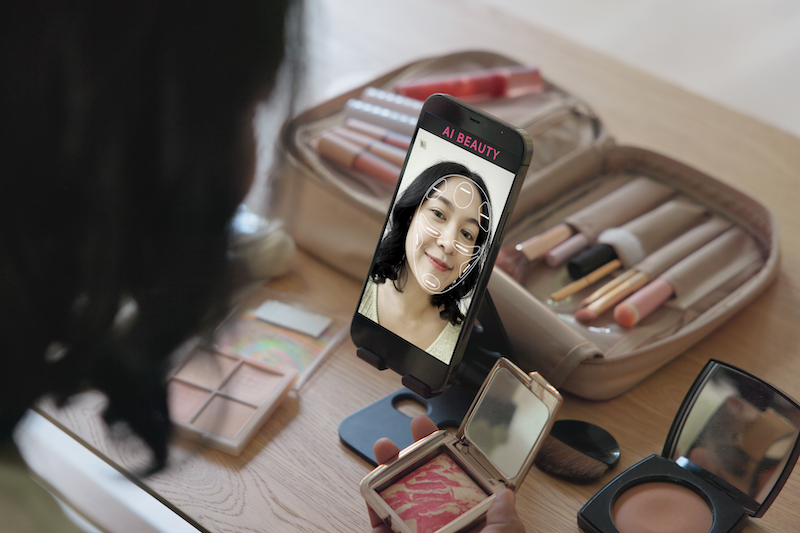
The beauty industry has certainly shown its eagerness to embrace the new mechanical overlords, and its latest craze is with creating AI companion apps that recommend and dictate exactly what shoppers should be buying and why – it is capitalism, truly perfected.
Among beauty consumers, 63% would indeed instruct an AI agent to shop for their idealised self, supporting goals such as making healthier choices, staying on budget or upgrading more intentionally, according to data from technology and management consulting firm Accenture.
Although many businesses will dress up their AI companion apps as ‘enabling boundless product discovery’ and ‘understanding their true habits and preferences’, the goal is to sell the customer a product.
And among the brands hopping on the AI advisor trend is Estée Lauder Companies-owned fragrance house Jo Malone London, which launched its Scent Scanner in July, touted as being a personalised fragrance wardrobe experience.
The Scent Scanner, which is being rolled out across the US and France, is available exclusively on social media platform Pinterest.
It uses AI to translate the visual preferences users express on their Pinterest boards into personalised Jo Malone London fragrance recommendations, and the reception has been largely positive.
In June, French beauty giant L'Oréal teamed up with ChatGPT-maker OpenAI to reinforce its AI capabilities.
OpenAI’s technology will be utilised to strengthen product discovery within ChatGPT in the US for brands such as Lancôme and Kérastase.
Rihanna’s Fenty Beauty, meanwhile, launched a WhatsApp AI advisor that same month to support consumers with their discovery and purchase journey.
European premium beauty retailer Douglas Group also unveiled Anna in June, an AI-powered Beauty Advisor Chatbot that aims to “elevate digital shopping experience”, according to the business.
The AI beauty advisor takeover is here, but what does it all mean for the cosmetics industry in the worryingly not-so-distant future?


