
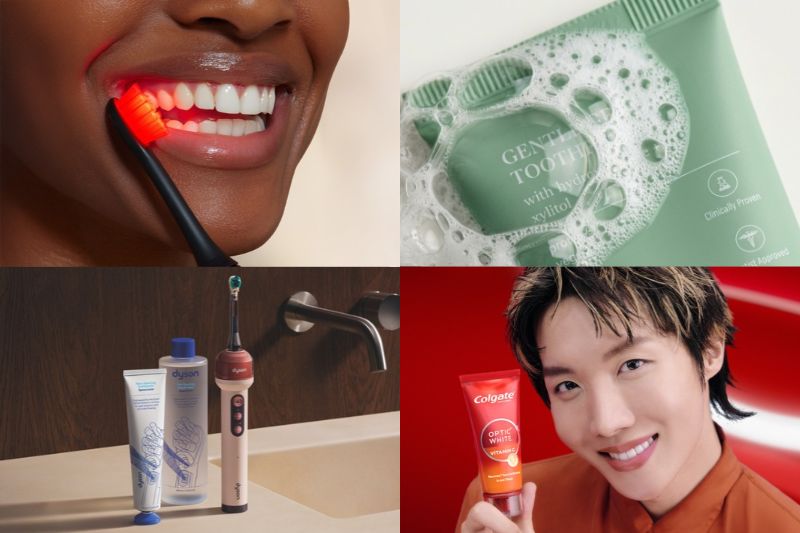
Dyson’s entry into oral care with its £419.99 artificial intelligence-(AI) powered Camerjet toothbrush, which features a water jet and camera, marks the most mainstream moment yet in the category’s recent glow-up.
From tech to ingredients, and its elevation to a design status symbol, oral care has expanded from a forgettable everyday habit to a moment for self-care, and even enjoyment.
“Oral care is undergoing a significant cultural shift,” says Nick Vaus, creative director at creative agency Free the Birds.
“What was once a purely functional, clinically driven category is increasingly becoming part of the wider beauty, wellness and longevity conversation.
“We are seeing what we call the 'bougie basics' movement, where even the most everyday essentials are being elevated through design, ingredients and sensory experiences.
“Brands such as [luxury oral care brands] Selahatin, LARO and Aesop are challenging the traditional codes of oral care, bringing the sophistication of prestige beauty into the bathroom.
“At the same time, Dyson's entry into the category signals a new level of ambition, where technology, performance and product design converge."
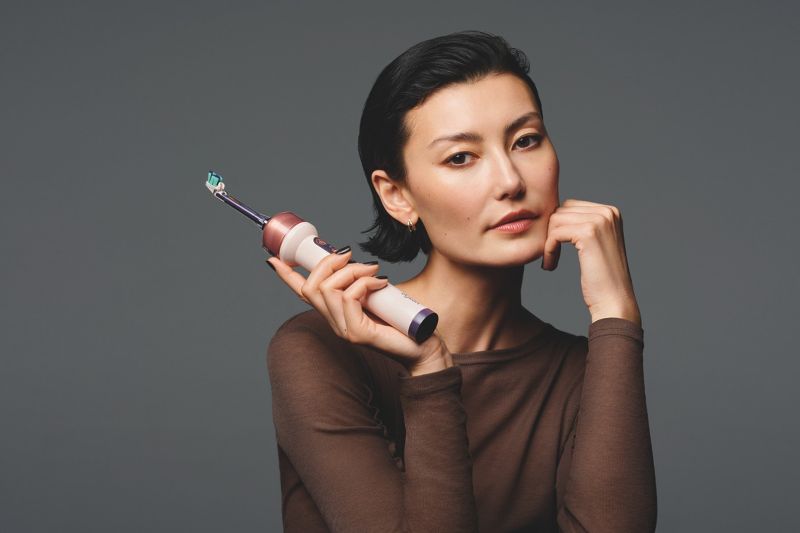
Dyson's Camerjet
What is particularly interesting, notes Vaus, is that oral care is “no longer just about achieving a brighter smile, it is becoming a reflection of how consumers approach their overall health, wellbeing and personal identity.”
What trends have been driving Oral care’s glow-up?
It is no wonder the category’s time has come, says Dr. Deepak Aulak, dentist and co-founder of Toothfairy – a UK-based health-regulated dental app which recently launched the Wand, a £95 sonic toothbrush with detachable camera whose scans are reviewed by registered dentists.
"Oral care is finally getting the attention it deserves, and after all, everyone has a mouth,” he says.


