
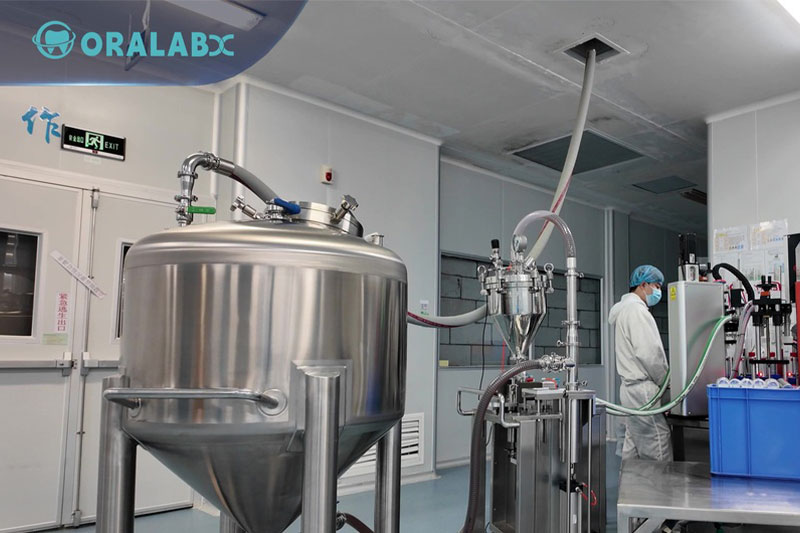
This is why we prefer to settle the important details before scale-up. The formula, flavour target, colour or clarity, bottle, closure and filling method should not be treated as separate decisions. A small change in one area can create work somewhere else. For example, a flavour adjustment may affect clarity. A different bottle or cap may need another compatibility check. A liquid that looks fine in a hand-filled sample still needs to behave properly during normal filling and capping.
Once the product is fixed, production is about control and repeatability. Raw materials need to match the approved specification. Water quality matters. The addition sequence and mixing conditions need to be followed. During the batch, the team checks practical points such as appearance and pH before the product moves to filling. On the line, fill level, closure application, leakage and pack appearance also need attention.
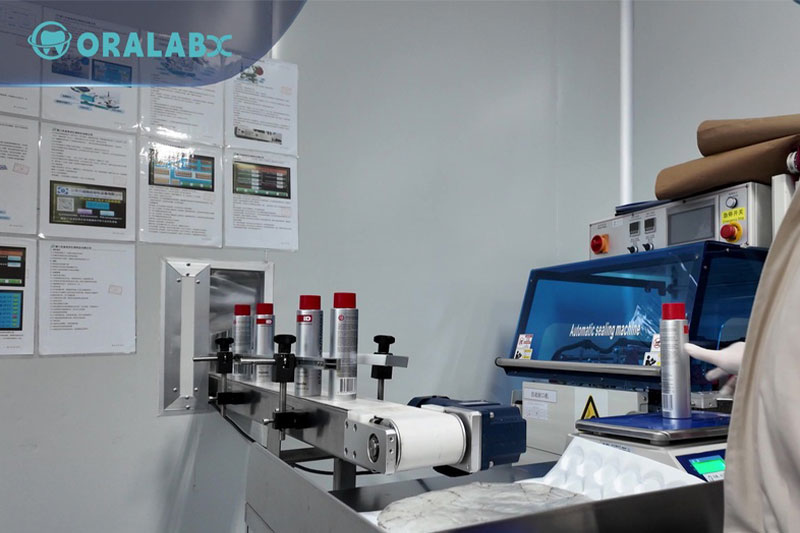
The same thinking continues after filling. Finished products are checked against the agreed requirements, production records are kept, and retained samples give the team something real to compare with later batches. None of these steps is complicated on its own. The challenge is making sure they work together every time.
For a brand, the useful lesson is simple: do not wait until the final sample is approved before discussing commercial production. Bring the manufacturer into packaging and scale-up decisions early. It is much easier to solve a bottle, flavour, clarity or filling issue before thousands of units are on the line.
At ORALABX, we see the approved sample as the starting point for production planning, not the end of product development.
About the source: Peter Xie is OEM Project Director at ORALABX, an oral-care OEM and private-label manufacturer in China.


