

This article was originally published in the Make-up Trend Report. Receive your copy here
Powder is a word that struck fear into the hearts of beauty consumers for years after the ultra-matte make-up era of the 2010s.
Take the baking trend, which was particularly buzzy in 2015: it involved applying loose powder in heavy layers to set concealer and foundation, but had the unwanted consequence of emphasising fine lines, stripping moisture and leaving a flat, dehydrated finish.
It is no wonder that, since then the pendulum swung the other way to favour dewy, glass skin and creamy or serum-style products.
But nothing has defined the 2020s more than trends that make old new again.
With the nostalgic 90s and 00s aesthetic landing in beauty again, we have seen the revival of lip liners and glosses in make-up.
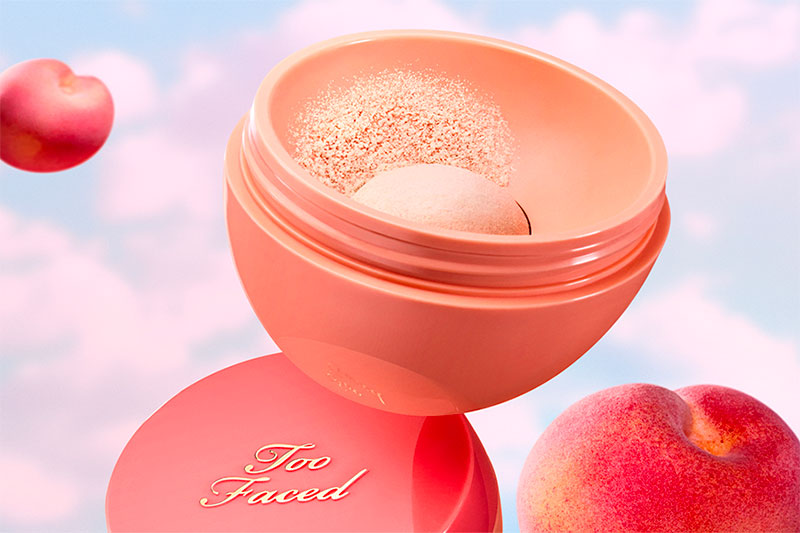
Now, loose setting powder is making a comeback. And with leading beauty brands including Charlotte Tilbury, Dior and Too Faced getting on board with completely new loose powder launches, it is setting up to be a pretty major shift.
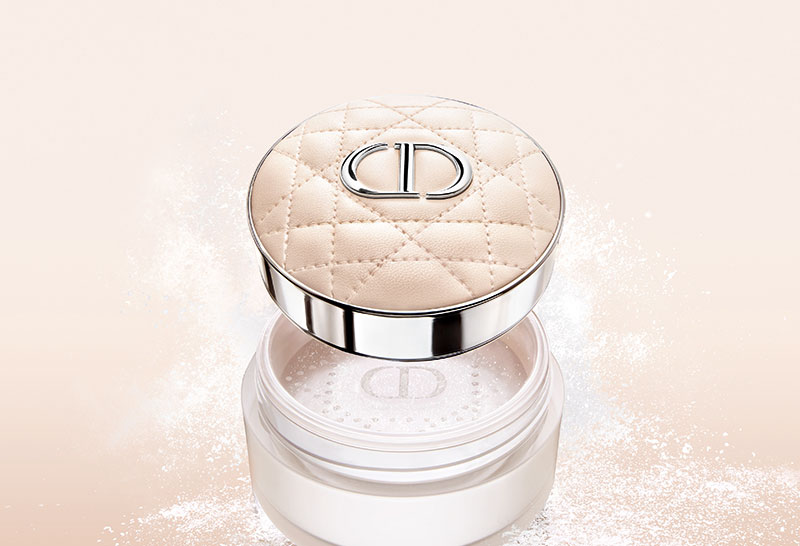
Dior’s new Forever On Set Powder
LYS Beauty has launched into the UK at Sephora with its collection that includes Triple
Fix Translucent Loose Powder, and founder Tisha Thompson says that while the 2010s were about eliminating shine, powder was often used heavily, with the downside that you could end up with make- up that didn’t look or feel like skin anymore.
“I think consumers are just much savvier now,” she tells Cosmetics Business.
“You have this incredible amount of beauty education happening on social media, so people aren’t necessarily looking at a product and thinking, ‘this is what this product is for’. They’re figuring out how to use it in a way that works for their skin and the look they’re trying to achieve.
“And I think that ties into the bigger conversation around skin health, too,” adds Thompson.
“We’ve spent the last several years really investing in skin care and embracing our skin, so I don’t think people are necessarily looking for make-up that completely masks or mattifies it. They want products that help them fine-tune their look.”


