
The past decade has presented sustained disruption for global supply chains. From the pandemic and geopolitical tensions to Brexit-related trade complexity, cosmetics brands are
navigating an increasingly unpredictable operating environment.
In this context, the value of a strong outsourcing partner has become more apparent than ever. Contract manufacturers and fillers are helping brands maintain continuity, manage
complexity and bring products to market efficiently.
As the UK’s leading trade association for outsourcing in manufacturing, packing, fulfilment and logistics, the BCMPA connects brands with trusted partners who can provide the expertise and scalability required in today’s environment.
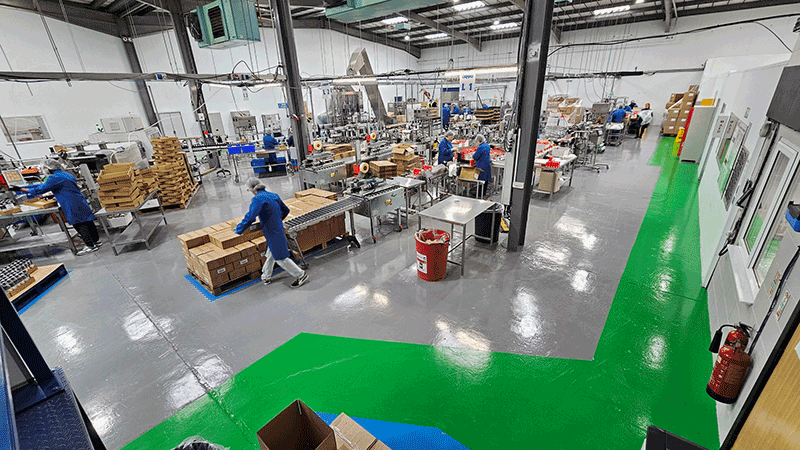
Multiple challenges
“UK manufacturers face a unique combination of pressures,” explains Sebastian Teasdale Brown, Commercial Director at Expac. “Regulatory compliance is becoming more complex,
with ongoing changes around ingredient restrictions, sustainability claims, and labelling requirements following evolving UK and EU regulations.
“In parallel, the sector continues to experience rising costs across energy, labour, packaging, and raw materials. Talent shortages in technical and manufacturing roles also remain a challenge. At the same time, brands expect faster innovation, smaller batch sizes, and greater flexibility, which adds operational complexity.”
Kim Reid, Head of Sales, Private Label Division at Professional Beauty Systems, adds: “One of the key challenges is increasing regulatory complexity, particularly following UK/EU divergence post-Brexit. We now have a full regulatory team in place to support our customers with this and help guide them to support their growth.”
Having the right partners in place to navigate these pressures is where UK contract manufacturers come to the fore. For many brands, this is prompting a reassessment of supply chain strategy, according to Danny Shiels, Managing Director at Minerva. “The last few years have exposed the weaknesses of long, fragile supply chains,” he says.
“Delays, freight volatility, geopolitical disruption and inconsistent quality have pushed many brands to reconsider overseas sourcing. We’re seeing a clear shift towards UK manufacturing, particularly from brands who value speed to market, tighter quality control, lower Minimum Order Quantities (MOQ), and easier communication.
Being able to visit your manufacturing site and resolve issues in real time still counts for a lot. Funny enough, Zoom never did learn how to smell a bad batch.
“I believe this trend will continue. It may not replace global sourcing entirely, but more brands are adopting a blended strategy – offshore where it makes sense, onshore where
speed, innovation and reliability matter most.”
Think beyond cost Professional Beauty Systems’ Reid observes that a growing number of brands are shifting from Far East supply chains. This isn’t necessarily cost driven; there’s a greater recognition that there is a need for greater reliability, speed, and supply chain resilience.
From Expac’s perspective, this shift is gaining momentum. Teasdale Brown notes that brands are reassessing global supply chains in favour of UK manufacturing to speed up innovation from NPD to shelf, reduce supply lead times, minimise risk and improve responsiveness.
“This trend is further driven by several factors: high freight costs, port delays, geopolitical uncertainty, and the operational challenges of managing overseas suppliers,” he adds. “We expect onshoring to continue, particularly for core SKUs, innovation lines, and products where speed to market and quality control are critical.
While cost remains a critically important consideration, many UK brands now see domestic manufacturing as a risk mitigation strategy as well as a premium option.”
It underlines the value of third parties; their expertise and knowledge can ensure that brands can make steady progress and are more resilient to economic storms. Minerva’s Shiels warns that brands should see the bigger picture and not simply look at cost. “A good manufacturing partner should absorb pressure through efficiency rather than simply pass cost increases on,” he adds.
“We focus on areas including lean production scheduling to maximise line efficiency, better batch planning to reduce waste and downtime, and smart sourcing and packaging alternatives.
“Scale matters too. Manufacturers can often buy better, plan better and produce more efficiently than smaller brands trying to do it alone.”
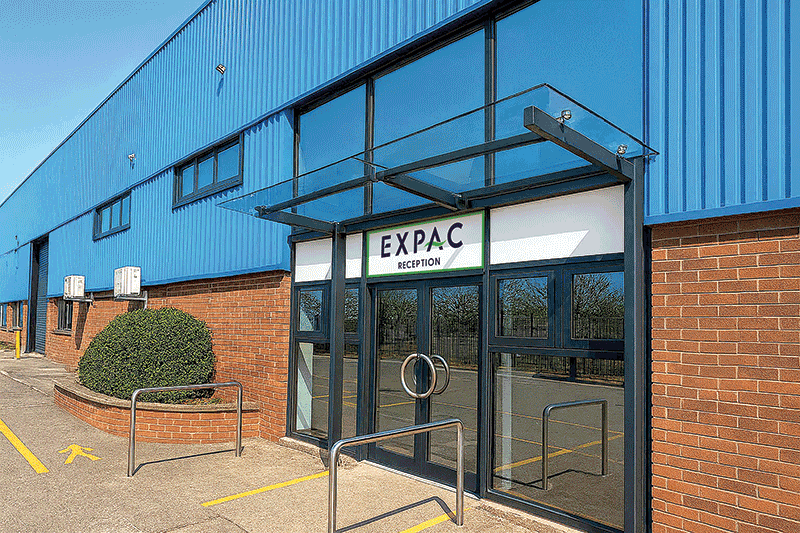
Collaboration
At PBS, Reid believes that close partnerships can unlock both operational and commercial benefits. “At its best, manufacturing is a collaboration where a brand’s success is shared by its manufacturing partner,” she explains. “Technical expertise is essential, but so too are strong relationships, transparency, and proactive communication. These factors ensure the product development journey is smooth, timelines are met, and expectations are aligned from concept through to production.”
Expac’s Teasdale Brown adds: “Equally important is strategic fit and transparency. Brands are seeking partners who are open about lead times, costs, and constraints, and who are willing to engage in long term planning rather than transactional relationships. A UK manufacturer with strong compliance credentials and a collaborative mindset can provide stability, faster response times, and greater support with brand reputation.”

Looking ahead
There are reasons for optimism, according to Shiels. Being smart is integral to success as brands want asset-light business models, which means outsourced manufacturing will continue to grow.
“The winners in our sector will be manufacturers who combine production capability with technology, speed, sustainability and strategic support,” adds Shiels. “It’s no longer enough
to just fill bottles. Clients want data, flexibility, innovation, lower MOQs, rapid launches and reliable fulfilment.
“We’ll also see more consolidation: fewer suppliers doing more under one roof. End-to-end partners will become more valuable.”
Reid adds that outsourcing is becoming an increasingly attractive option for growing brands.
“We are also seeing smaller, successful brands scaling up and transitioning to external partners as demand grows,” she says. “At the same time, increasingly informed consumers and the influence of digital platforms are driving more niche, targeted brand concepts.
Overall, the future is buoyant for manufacturers who can manage costs effectively, build strong customer relationships, and continue to innovate.”
Teasdale Brown expects continued evolution across the sector, with greater investment in automation, digital systems, AI and sustainable production. “Manufacturers will continue to
move upstream, supporting brands not just with production but also with innovation, regulatory guidance, and supply chain resilience,” he says.
“UK manufacturers that can combine flexibility, technical depth, and operational discipline will play a crucial role in helping brands navigate ongoing uncertainty.”
While challenges remain across global markets, cosmetics brands that invest in the right outsourcing partnerships will be better positioned to manage risk, maintain agility and support long-term growth.
Through its network of members, the BCMPA enables cosmetics brands to identify partners aligned to their technical, regulatory and commercial requirements.
Emma Verkaik CEO, BCMPA, the Association for Contract Manufacturing, Packing, Fulfilment and Logistics.