


From vanilla and amber to musk and patchouli, there are several consistent scent notes which dominate the fragrance market.
But a growing number of beauty businesses are continuing to veer away from the norm, and instead are being inspired by the humble vegetable for their fragrance launches in 2026.
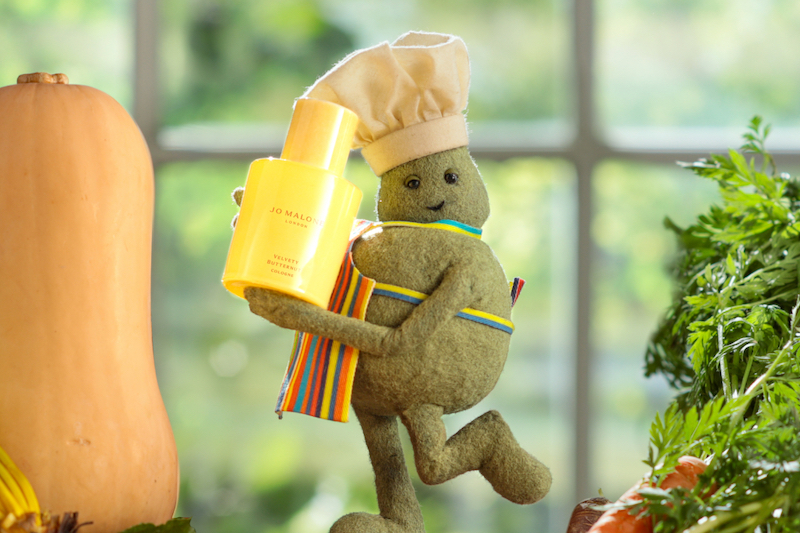
Jo Malone London is among these brands,having just launched its new Veggies Collection in June, and promoted it with a sweet campaign in collaboration with viral social sensation Tiny Chef.
The Estée Lauder Companies-owned (ELC) fragrance brand’s new trio of colognes – Scarlet Beetroot, Carrot Blossom and Velvety Butternut – are inspired by the garden harvests of their respective vegetables.
But Jo Malone London is not the only brand reaping the benefits of a more adventurous approach to perfume creation.
California-based luxury home fragrance brand, Voluspa, is gearing up to launch its new Tomato Trellis scent on 7 July, a garden-inspired fragrance that offers the aroma of vine-ripened tomato leaf.
These launches join a growing trend of garden- and vegetable-based fragrances, which began planting its roots in the beauty industry as far back as 2023, as reported by Cosmetics Business.
Sweet potato and carrot, watercress with Sardinian parsley, and even bell peppers mixed with petitgrain were among the enticing aromas released by brands such as Boy Smells and Officine Universelle Buly that year.
But what is behind the shift away from traditional fragrance ingredients, and are consumers today really on board with smelling like a cucumber?
How vegetable-inspired fragrances took root in beauty

Officine Universelle Buly launched a vegetable fragrance-inspired perfume collection in June 2023
Garden-based scents are not an entirely new phenomenon.
Eau de Campagne, created and launched by master perfumer Jean-Claude Ellena in 1974, was among the first perfumes to play with unconventional ingredients.
The fragrance composition includes more traditional notes of bergamot, lemon and galbanum, but also tomato leaves and basil.
Carrot seeds have also long been used in fragrance, as seen in Perfumer H’s Pepper EDP and Autumn Vibes, by Maison Margiela, released in 2019 and 2021, respectively.
Tomato leaf scents are also a popular scent choice, with fragrance brands such as Malin + Goetz – which shuttered its UK stores and filed for administration in 2026, but is still available to buy online at Space NK and Cult Beauty – and Loewe having released candles containing the plant.
But do vegetables make for such potent fragrance ingredients?
Matthew Herman, founder of Boy Smells, says there is value in exploring these scents, as vegetables and herbs evoke a sense of “abundant summer”, which can strike a positive chord with shoppers.
“They instantly transport us to a time and place filled with nostalgic warmth,” he adds.
Boy Smells, which launched its Farm to Candle fragrance collection in June 2023, takes full advantage of catering to these positive emotions, playing with ingredients such as melon, mint, carrot and even ginger with its candles.
What is inspiring consumer demand for vegetable fragrances?
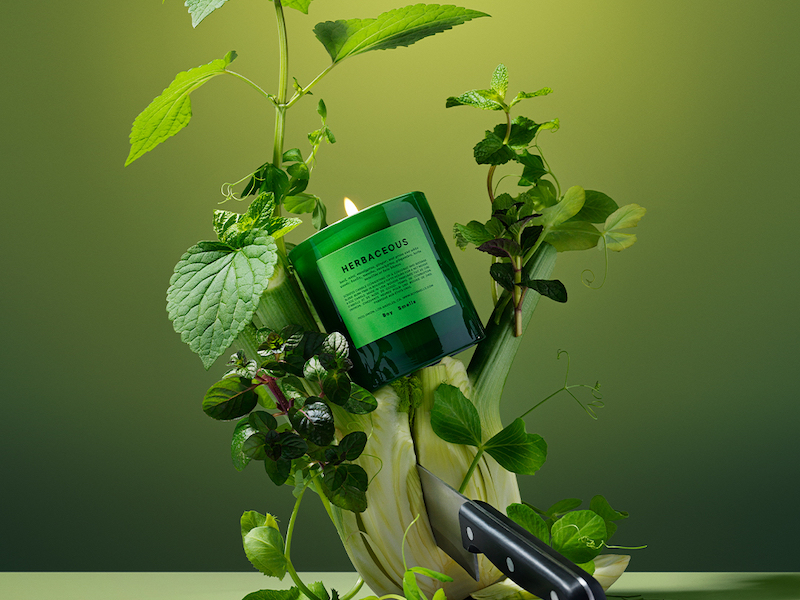
Basil, eucalyptus and grass have been combined with mint and ginger for Boy Smells’ Herbaceous candle
Although vegetables can be seen as highly unusual scent notes, consumers may be more accepting of gourmand fragrances these days due to the Covid-19 pandemic lockdown in 2020, says Suzy Nightingale, Freelance Fragrance Writer and co-host of the On The Scent podcast.
Google trends data indicated that searches for ‘how to grow vegetables’ more than doubled during the pandemic, as many people who were stuck at home began to make full use of their gardens.
Getting back in touch with gardening has matched with an excitement for something “new and a bit weird” in the fragrance market, says Nightingale.
“Vegetable scents provoke curiosity, and I have noticed generally that shoppers seem to be turning away from overly sweet fragrances,” she adds.
The gardening and houseplant boom was one of the most significant and under-discussed behavioural shifts of the past five years to inspire this trend, says Deirdre Walters, co-founder and partner at global agency Untapped Innovation.
They instantly transport us to a time and place filled with nostalgic warmth
“Consumers who have spent years tending plants, or simply living alongside them, have recalibrated their olfactory expectations in ways that are becoming commercially significant,” says Walters.
“They recognise authenticity and are drawn to fragrances that smell of something real, something they can place and name.”
This is partly why tomato leaf has emerged as one of the most compelling notes in contemporary perfumery, argues Walters, thanks to its crisp, vividly alive and deeply herbaceous notes.
Beetroot, meanwhile, brings a rich earthy sweetness with grounding undertones, and fennel offers a refreshing, slightly spicy herbaceousness with aniseed complexity.
Even cauliflower, an “unlikely beauty candidate”, says Walters, has potential, as it creates a “surprisingly nutty, creamy, powdery profile” that sits closer to a white floral than a vegetable stall.
How should brands market a fragrance made from carrots and beetroot
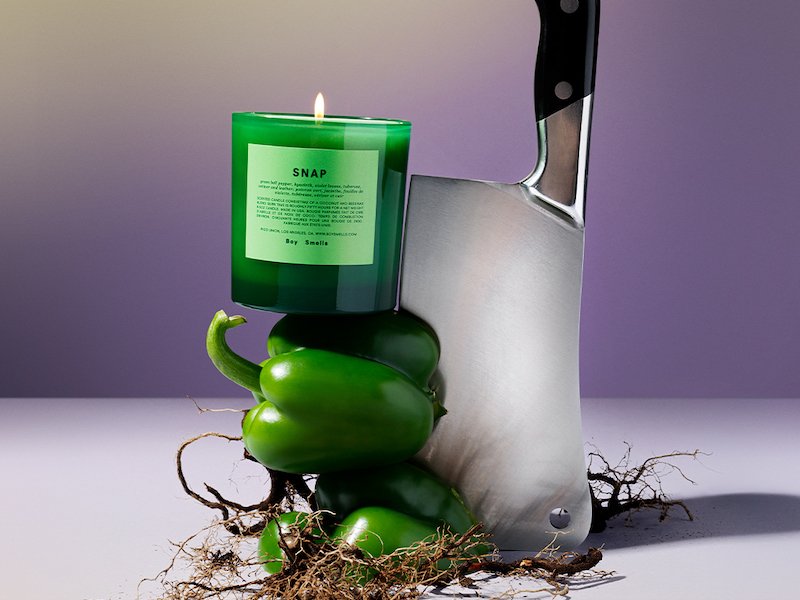
Boy Smell’s Snap candle features green bell pepper notes mixed with vetiver and petitgrain
What is important for brands thinking about tapping into this trend is how they go about their storytelling and the language they use, stresses Nightingale.
A lot of people reading scent notes such as cauliflower or onion may fear “they will end up smelling like soup”, she says.
“But instead, taking beetroot as an example, you could say it is sweet, but not sugary, and it evokes a fruity depth and earthiness.”
Nightingale urges brands to also think beyond just describing the ingredients.
“Use language to conjure images of a bountiful walled garden at dawn, or freshly rained on crops with sunlight glittering on the dewdrops,” she adds.
But not knowing what to expect can also be the ingredient type's greatest strength, explains Victoire de Taillac, founder of L’Officine Universelle Buly.
Vegetable scents provoke curiosity
The brand launched Les Jardins Français in June 2023, a curated collection inspired by scents of Provence, France’s cooking, which uses cucumber, tomato, rhubarb and redcurrant.
“You have no reference for what a sweet potato and carrot perfume should be, or if it is more masculine or feminine,” she adds.
“It is only about your own style and perfume taste.”
Nightingale says it would serve the fragrance industry well to be open to the idea of vegetable and garden-based scents.
“There is a uniqueness to the ingredients that perfumers can then blend within their compositions.
“It adds an enticing quality to them and offers something that has never been smelled before.”
This article was last updated on 7 July 2026.
Related content:
- Exclusive: Jo Malone London teams up with viral star Tiny Chef to promote Veggies Collection fragrances
- Fragrance reformulation is on the rise: this perfumer explains why it’s needed
- What’s the dill with beauty’s pickle obsession?
- Slow perfumery is the artisanal fragrance movement gaining traction
- Vanilla girl or granny chic: How fragrance became a lifestyle aesthetic
- Alcohol-free perfume is meeting Gen Z demand for skin-friendly scents
- Cosmetics Business reveals the top 5 fragrance trends of 2026 in new report


