

Kering’s shares plummeted by double-digits in early trading on 14 April following a lacklustre first quarter of trading in 2026, impacted by the ongoing conflict in the Middle East.
Revenues decreased 6% to €3.5bn in Q1 2026, dragged down by a 2% decline in sales from the directly operated retail network, including e-commerce.
Wholesale revenue was up 6% on a comparable basis, with particular growth in the luxury fashion houses’ eyewear category.
Kering’s performance was also impacted by ongoing conflict in the Middle East, and in the first quarter, retail revenue in the region declined by 11% – following growth over the first two months of the year.
A Kering statement read: “Beyond the localised impact, which we continue to monitor closely, the broader consideration going forward relates to potential impacts on global tourism trends and the macroeconomic backdrop.”
Gucci, meanwhile, recorded revenue of €1.3bn in the first quarter, down 14% on a reported basis and 8% on a comparable basis year-on-year.
Sales from the directly operated retail network declined by 9% on a comparable basis, although North America delivered a solid performance, up 8% year‑on‑year.
“In the first quarter of 2026, group revenue stabilised, marking an important first step in our recovery and a further sequential improvement,” said Luca de Meo, CEO of Kering.
“This performance reflects the first tangible effects of our actions, despite a challenging geopolitical environment.
“Nearly all our houses delivered growth during the quarter, with a particularly strong contribution from jewellery.”
The Q1 report marks Kering’s first financial update since offloading its beauty division, Kering Beauté, to L’Oréal in a €4bn deal, with the finalised agreement confirmed on 31 March 2026.
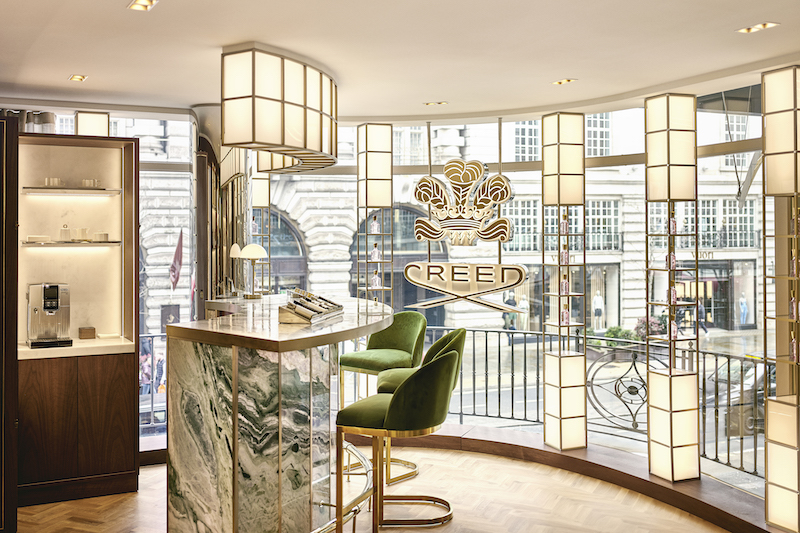
This has seen L’Oréal fully acquire Kering Beauté, including the House of Creed, and the signing of beauty and fragrance licenses for House of Kering.
Kering and L’Oréal will continue to explore development opportunities in the fields of wellness and longevity science through a joint venture.
Kering revealed its intent to sell its beauty division to L’Oréal in October 2025.
The partnership also includes the rights to enter into a 50-year exclusive licence for the creation, development, and distribution of fragrance and beauty products for Gucci.
This will commence after the expiration of the current licence with Coty, which is set to end in 2028.
Coty has held the licence to create Gucci products for more than a decade, having acquired it through the purchase of Procter & Gamble's speciality beauty business in 2016.
L’Oréal CEO Nicolas Hieronimus has expressed an interest in earlier access to the Gucci beauty and fragrance licence.
This was revealed during a webcast for L’Oréal’s full-year 2025 update, when Hieronimus was asked about L’Oréal’s interest in closing the Gucci licence deal earlier.
Coty CEO Markus Strobel, meanwhile, also stated he was “open” to a potential early termination of the French beauty giant’s Gucci beauty and fragrance licence.
Strobel, speaking during a Q&A session as part of Coty’s Q2 2026 financial update, was asked by Nik Modi, from RBC Capital Markets, about how the business will manage after the Gucci licence ends.
In response, Strobel stated that “job number one is to drive our big brand franchises” and push innovations to coincide with the licence ending in 2028.
Related content:
- L’Oréal CEO expresses interest in early access to Gucci licence
- Kering full-year 2025 results see double-digit revenue slump
- L’Oréal finalises ‘significant’ €4 billion acquisition of Kering Beauté
- Coty CEO Markus Strobel ‘open’ to early ending of Gucci licence
- L’Oréal hails ‘improving beauty market’ as sales grow 4%
- Coty Interim CEO unveils turnaround strategy to combat ‘disappointing’ financial performance


