

Kering has reported a double-digit revenue slump in its full-year 2025 results.
The French luxury giant’s revenue amounted to €14.7bn for the year ended 31 December 2025, down 13% as reported and 10% on a comparable basis.
Sales from Kering’s directly operated retail network, including e-commerce, also sank 11%, while recurring operating income totaled €1.6bn in 2025, down 33%.
The Gucci-owner’s performance last year was dragged down further by a lacklustre fourth quarter of trading, with Q4 revenue down 9% as reported and 3% on a comparable basis.
Sales from Kering Beauté – the company’s beauty division which is being acquired by L’Oréal for €4bn this year – have not been reflected in the 2025 update as it has been reclassified as” discontinued operations”.
Speaking on the divestment of the beauty division during an analyst call, CEO Luca De Meo said the sale speaks to the “pragmatism that [Kering] brings as a team into [its] approach to the market”.
He added: “I believe that people from the outside [that the] partnership with L'Oréal was seen positively by everybody.
“But [this is not] Kering abandoning the cosmetics and perfume business.
“The fact that we are with [L'Oréal] reinforces our position.
“I think that we can do much more business than we could do alone, and the work that we will do together will in fact have a huge benefit to our brand.
“Particularly the investment and the strength of L'Oréal when it comes to marketing practices.”
Kering announced its intent to sell its beauty division to L’Oréal in October 2025.
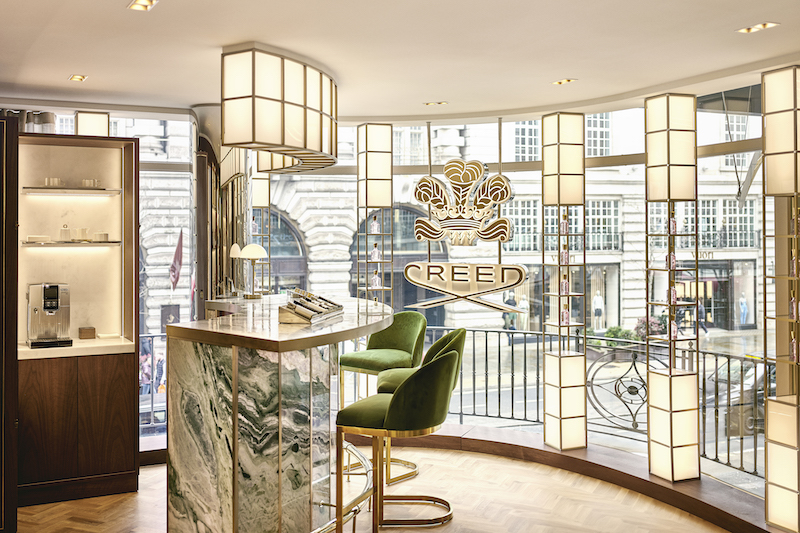
The deal is still pitched to be completed in the first half of 2026 and will see L’Oréal acquire fragrance and beauty licences such as House of Creed.
The partnership also includes the rights to enter into a 50-year exclusive license for the creation, development, and distribution of fragrance and beauty products for Gucci.
This will commence after the expiration of the current license with Coty, Kering stated at the time.
The French conglomerate established its beauty division in 2023 to develop the beauty arms for its Bottega Veneta, Balenciaga, Alexander McQueen, Pomellato and Qeelin houses.
It then acquired luxury fragrance house Creed in June that year for a reported US$3.8bn.
Kering’s remaining luxury brands also reported significant declines in 2025, with Gucci and Yves Saint Laurent reporting sales declines of 22% and 8%, respectively.
Elsewhere, the group’s net financial expense totaled €594m in 2025, with the effective tax rate on recurring income reported at 36.1%, up from 28.3% in 2024.
This was mainly due to the 2025 losses generated in the UK by fashion brand Alexander McQueen and the one-off impact of the reclassification of Kering Beauté into discontinued operations.
Undeterred by the lacklustre performance, Kering stated its “clear objective” in 2026 is to return to growth and improve margins.
“In a still uncertain macroeconomic environment, the [company] prioritises flawless execution, equipping each House with sharper, more sustainable brand strategies and the operational support required to accelerate progress,” Kering said in a statement.
Related content:
- Coty subsidiary files lawsuit against Kering over Gucci licence after L’Oréal deal
- Kering offloads beauty division to L’Oréal in historic €4 billion deal
- Why Kering gave up on beauty and L’Oréal’s bold plan to transform Kering Beauté
- Coty sales sink 6% as prestige and consumer beauty lag in Q1
- Business advice: How to land a lucrative beauty licensing deal


