

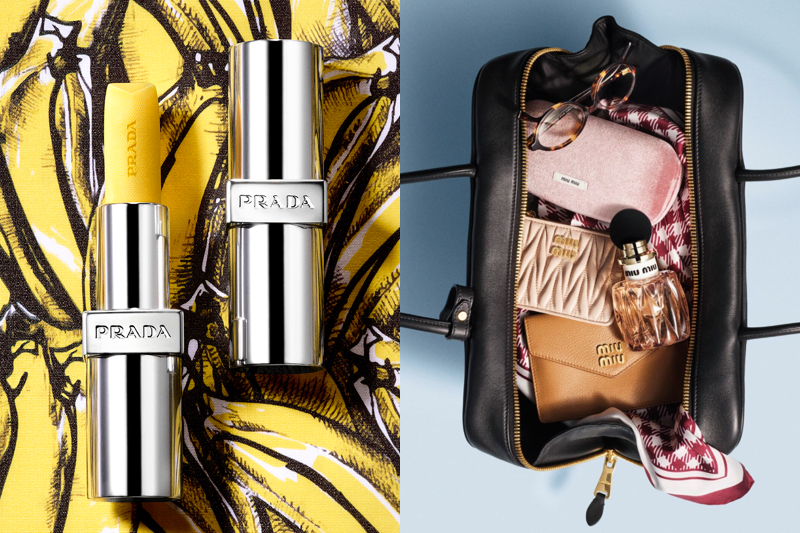
L’Oréal is starting to get down to business with the new additions to its Luxe division – House of Creed, Balenciaga and Bottega Veneta.
The French beauty giant acquired luxury fragrance house Creed, as well as the licence to produce fragrance and beauty for the two fashion houses, from Kering Beauté (Kering’s beauty arm) as part of a $4bn deal that was completed on 1 April.
For Kering, the deal gives the conglomerate access to L’Oréal’s global expertise to scale the beauty-sides of the storied fashion brands with greater speed.
Have you launched an innovative product, brand or campaign in the past 12 months? Then you could be in with a chance of winning at this year's new and improved Pure Beauty Awards 2026. Click here for more information.
For L’Oréal, the deal offers a growth engine for its luxury division following in the footsteps of YSL Beauté, which Kering boss Luca de Meo recently described as a “benchmark” rather than a ceiling for the new beauty offshoots, marking his ambitions.
Part of L’Oréal’s Luxe division since 2008, YSL Beauté’s contribution to the business is not broken down in its financial results.
However, the success of global “blockbuster” fragrance launches, such as Libre and MYSLF by Yves Saint Laurent, helped the division’s sales hit €15.6bn in 2025, which was around 35.4% of L’Oréal’s €44bn total sales.
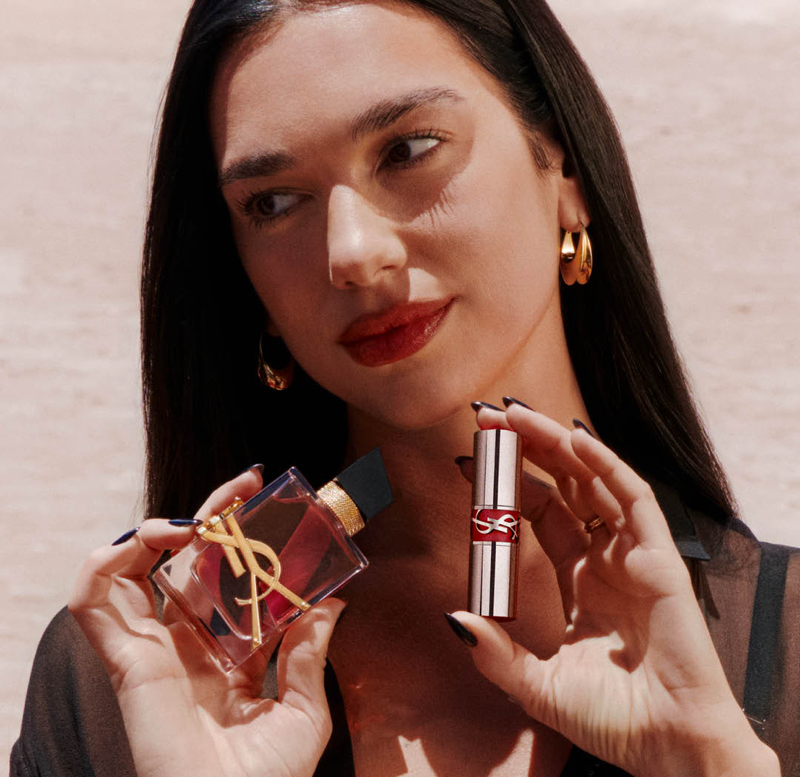
YSL Beauté ambassador Dua Lip poses with YSL lip oil and Libre perfume
L’Oréal is likely to follow the YSL Beauté playbook for these recently acquired luxury brands, although with some adaptation necessary to accommodate the different histories and positionings of each company, according to experts.
But L’Oréal also faces challenges, such as translating fashion identities that are in flux into beauty brands that standout, as well as navigating the tastes of luxury consumer buyers as a mass player.
Bryce Quillin, an economist and co-founder of luxury strategy agency It's A Working Title, expects “a pretty classic luxury fragrance strategy” for Bottega Veneta and Balenciaga.


