


Long perceived as beauty’s all-round most sought-after demographic, Gen Z’s position as the sector’s most critical group is being challenged in 2026 as high-spenders Gen X and boomers drive forward key market growth.
Although those born between 1997 and 2012 are still crucial for brands due to their ability to drive trends, culture and behavioural norms, the idea of chasing Gen Z spend at all costs no longer suits the 2026 beauty landscape.
“Gen Z drives culture and trends, and winning with them now is an investment in future relevance, but they are not spending the most by a long shot,” says Stacey Levine, a Brand Marketing and Communications Consultant who specialises in beauty.
“Gen X is the one to watch, as according to [analyst] Circana, they account for almost half of total beauty spend.
Have you launched an innovative product, brand or campaign in the past 12 months? Then you could be in with a chance of winning at this year's new and improved Pure Beauty Awards 2026. Click here for more information.
“They are brand loyal, financially stable, and their product focus is anti-ageing and longevity.
“Boomers are also getting renewed attention from brands.
“They have been chronically underserved by the beauty industry, but are finally being recognised for higher disposable income, efficacy-driven purchasing and loyalty.”
Despite Gen Z not spending the most in the sector, they still made up 17% of Europe’s beauty and personal care spend in 2025, according to analyst Euromonitor International, a figure which is set to hit 20% by 2029.
The brands winning with Gen Z right now understand that influence has to compound, not show up in short spikes
The global Gen Z beauty market size is also projected to grow from US$208bn in 2026 to $592bn by 2034, according to data by Intel Market Research, exhibiting a CAGR of 13.2%, signalling that they are a vital investment generation.
But equally, it is important to note that what Gen Z needs from the sector is evolving too, with marketing tactics that may have previously worked now feeling stale.
Beauty is now an accessible luxury for this group in economically difficult times – with the cost-of-living crisis, Middle East conflict and more raging on.
The brands that understand that and offer budget flexibility, clarity around performance and experiences that honour individuality will be the winners with this group, earning more than a one-time purchase.
“Gen Z are no longer the up-and-coming generation; the oldest members of this cohort are now fast approaching their 30s, and the way they engage with beauty has matured considerably,” explains Alice Crossley, Deputy Foresight Editor at trends intelligence and insights firm, The Future Laboratory.
“What they want right now is authenticity, complexity and genuine cultural connection, and they are increasingly resistant to the algorithmic homogeneity that has flattened the beauty landscape.
“Beauty spending among US female teens rose 10% year-on-year in 2025, reaching an average of £279 ($374) per person, but Gen Z's loyalty is not given freely.
“They are… paralysed by paradox, holding deeply held values while navigating economic pressures that constrain them.
“They want brands that understand that tension, not ones that exploit it.”
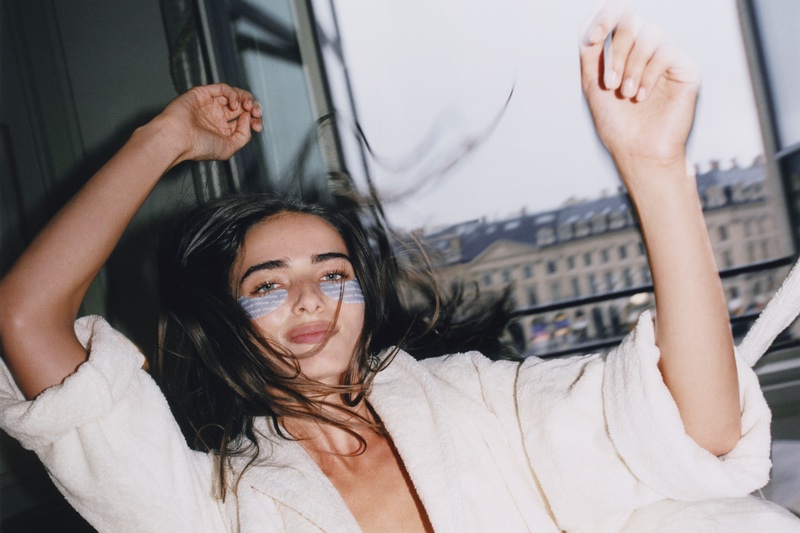
Rhode is among Gen Z's most talked about beauty brands in 2025
Where Gen Z is with beauty in 2026
With Gen Z’s loyalty not driven from habit but from ongoing value earned through trust, where are they investing their money and why?
It seems Gen Z is now pushing beauty in the direction of


