

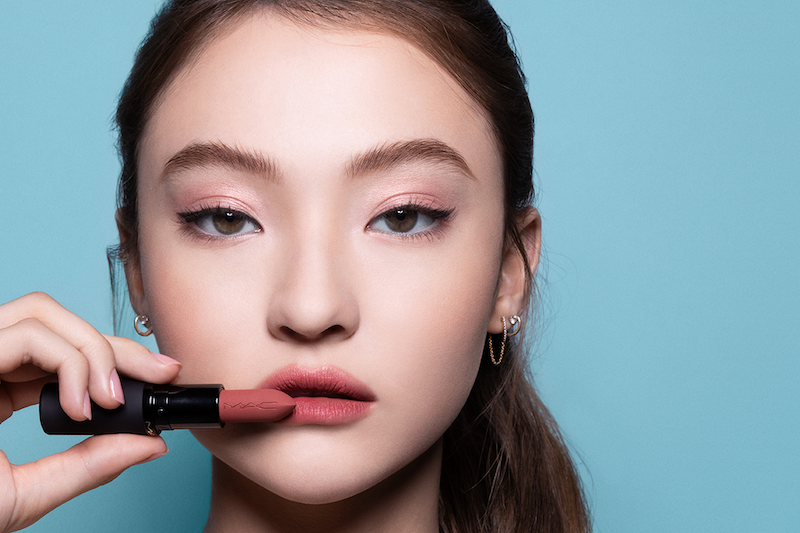
Estée Lauder Companies (ELC) 2026 financial year results have offered a moment of reprieve for the US beauty giant, which has been grappling with mass job cuts and the termination of a US$40bn merger with Spanish conglomerate Puig.
The MAC Cosmetics-owner reported a net sales rise of 5% to US$15bn on 19 August, as gross profit also increased 7% to $11.3bn, up from $10.5bn reported last year.
However, despite the bumper sales growth, ELC’s make-up division faced ongoing profitability pressures as sales came in largely flat during the year.
Akhil Shrivastava, Executive VP and CFO at ELC, said during an investor call held on 19 August that the business will continue to leverage its powerhouse make-up brands, including MAC Cosmetics and Clinique, to help course-correct the category.
Shrivastava added: “We are also addressing the challenges we have had on some of the other brands in the past.
“It will also improve… on profitability with all of the work we are doing, and that would be a critical part of continuing to build broader, more diversified sales growth and also profitability in this segment.”
Expanding on the opportunities with make-up, Stéphane de La Faverie, ELC President and CEO, will ensure that the business is “deploying cosmetics brands in the fast-growing channel where consumers are shopping”.
He added: “This is one of the reasons for the strong acceleration that we are seeing with MAC Cosmetics.
“This is [due] to the entire ecosystem that we have created from social commerce to speciality multi-department and freestanding stores that are now all working in conjunction just to really activate the recruitment wheel and the retention wheel.”
MAC Cosmetics entered Sephora’s US stores and website on 2 March – the first time the brand has featured on the retailer’s shelves in its 41-year history.
In April, MAC Cosmetics debuted on social selling platform TikTok Shop UK for the first time as well.
La Faverie claimed in the investor call that this broader approach to selling was “missing as part of our arsenal” – to be “everywhere where the consumer is”.
He added: “Now that we have the right platform from a distribution standpoint, and then we are adding an acceleration on innovation like this outstanding lip stain that MAC Cosmetics launched, that has been like a blockbuster in many markets around the world.
“We believe that now we have the right recipe for us to accelerate in make-up.
“We are also continuing to rationalise the distribution where we do not have the right profitability and the right productivity per door.
“We have closed a significant amount of freestanding stores in MAC Cosmetics around the world as we are pivoting to more growth and profitable channels.”
How Estée Lauder Companies’ performance in Asia can fuel future growth
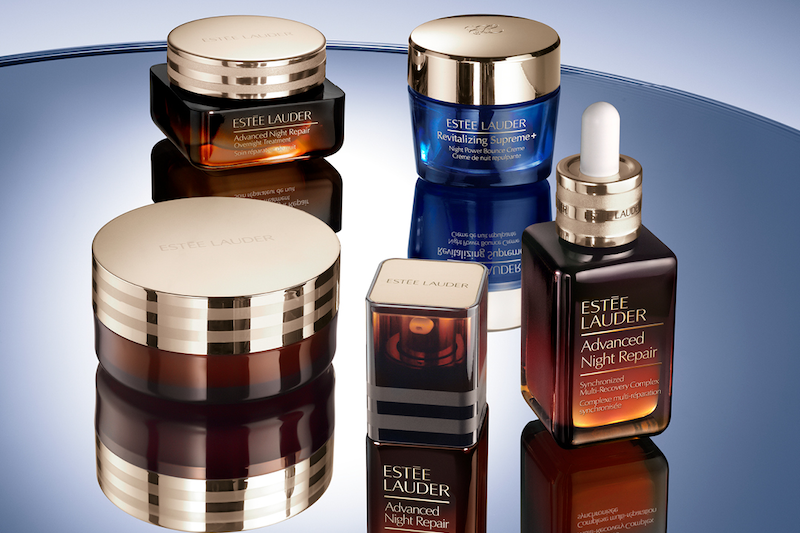
Asia was among the top-performing markets for ELC during the 2026 financial year.
Mainland China saw value share gains in the fiscal 2026 fourth quarter and full-year, with the full-year driven by fragrance, skin care and make-up.
ELC also saw a boom in prestige demand in South Korea, with Q4 retail sales growth accelerating to double-digits and driven by make-up and skin care.
La Faverie said: “You are going to see us continuing to build on the strengths in China and Asia-Pacific, including travel retail geographies.
La Faverie stated he is proud of the work that the team in China is doing across brands.
“The most important thing is understanding the fundamentals of the market, and the market is very strong,” he said.
“It is in high single-digit growth from a prestige beauty, so we are seeing China growing again and have had some fantastic results.
The Chinese beauty market’s influence and full potential have stagnated in the wake of the Covid-19 pandemic.
However, there are signs the challenging market is beginning to recover.
China's cosmetics retail market hit a record 465.3bn RMB in 2025, up 5.1% year-over-year, according to data released by China’s National Bureau of Statistics in January 2026.
La Faverie added: “We are accelerating innovation in China, thanks to the ramp-up of all the activities we have from our R&D centre in Shanghai.
“This is also allowing us to be even more tailored to the needs of the Chinese consumer in skin care or in make-up.
“We are also now less promotional in China, and have really pushed the valorisation in the market that has allowed us to recruit new consumers to continue to sustain strong investment in the market and capture the Chinese demand.”
Related content:
- Has Estée Lauder Companies decided against selling Dr. Jart+, Too Faced and Smashbox?
- Analysis: Estée Lauder Companies’ underperforming brands amid portfolio review
- MUA Bobbi Brown claims last two years at namesake brand left her ‘miserable’
- Too Faced founders exit after 24 years
- Estée Lauder Companies restructuring costs rise again to $1.75 billion
- Estée Lauder Companies hails ‘milestone’ moment in restructuring efforts
- Too Faced Cosmetics founders launch incubator Toy Box Brands
- Beauty’s highest paid CEO salaries revealed: L’Oréal, Shiseido, Coty and more


