

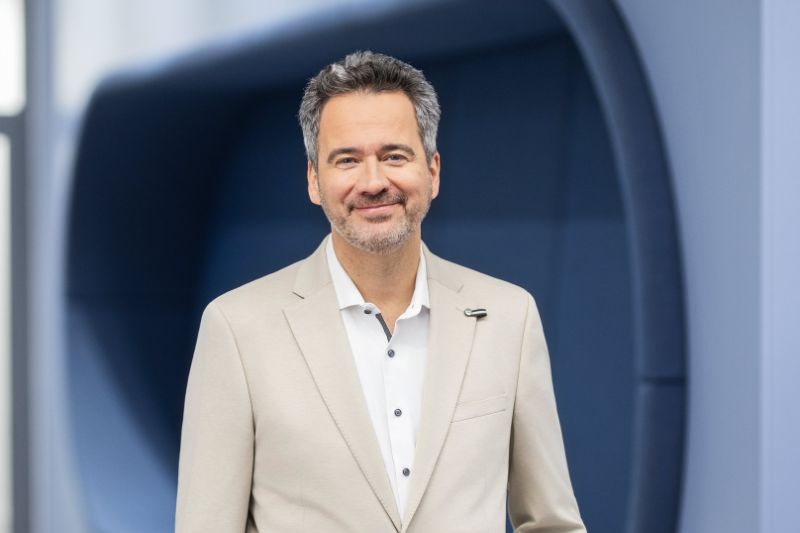
Beiersdorf CEO Vincent Warnery has shared concerns around the knock-on effect of heightened regulations within the European cosmetics market.
Warnery, who leads Nivea-owner Beiersdorf, warned in an interview distributed by Deutsche Presse-Agentur in Berlin, Germany, that Europe’s cosmetics industry could lose its leading position if the industry becomes “overburden[ed]” with regulations.
The businessman warned of the impact these heightened regulations could have on the industry, stating: “We do not want to become the next auto industry”.
Warnery argued in the interview that cosmetics companies in markets outside of the EU, including the US, China and South Korea, tend to face fewer regulatory burdens.
He also stated that skin care products in Europe already operate under some of the world’s toughest quality standards, which is why he has questioned requirements to remove certain ingredients that he said pose no risk under normal conditions of use.
Noting that there is a risk of European companies losing competitiveness as rivals from outside Europe are subject to less regulation, he said: “Europe must tread very carefully, particularly when we look at the US, China and Korea, where many of these rules do not apply.
“Skin care products from Europe are already subject to the strictest quality standards..
“Nevertheless, we are being asked to remove certain ingredients from our formulations, even though they pose no risk when used as intended."
Warnery said this requirement is posing a major challenge for beauty brands.
He went on to share frustration surrounding the revision of the EU Urban Waste Water Treatment Directive, intended to hold cosmetics and pharmaceutical manufacturers financially accountable.
Warnery criticised how companies such as Beiersdorf would be required to make significant payments, despite being responsible for only a small share of the pollution.
This is not the first time Warnery has commented on the increasing regulatory burden in the EU beauty industry, and its potential impact on innovation and investment.
Earlier this year, Warnery was among beauty leaders, including L’Oréal CEO Nicolas Hieronimus, calling for policymakers in Europe to ‘stop being the world’s chief regulator and start becoming its chief innovator’ in order to safeguard the €180bn beauty industry.
In March The Value of Beauty Alliance – a group of top executives from 17 beauty and personal care companies – called on EU policymakers to take action, or risk a weakening of one of the region’s most competitive and globally influential industries.
Related content:
- EU cosmetics safety alerts: which substances are driving product recalls?
- Beiersdorf unveils Eucerin acne-prone skin treatment based on 20 years of microbiome research
- Nivea extends longevity offering with epigenetics eye serum featuring cryogenic technology
- Four regulatory updates for UK & EU beauty brands to know in 2026
- The TPO ban: What beauty manufacturers need to know


