

Longevity science has irreversibly changed the beauty market’s course, with the focus on prevention over correction sparking an arms race of skin care innovation, product development and marketing.
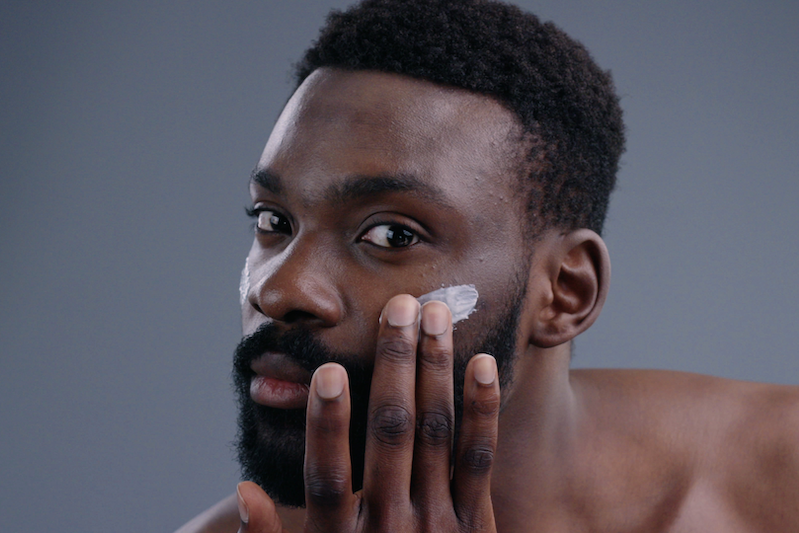
Yet, as beauty brands race to meet growing demand for healthier skin, one demographic seems to be left out of the longevity equation – men.
Much of the marketing material predominantly focuses on the women’s beauty segment, namely ambassadors.
Lancôme, one of the biggest luxury beauty players targeting longevity, tapped Demi Moore and Zoe Saldaña as Global Ambassadors to promote its Absolue Longevity MD line.
Both actresses have fronted campaigns for the L’Oréal-owned brand’s first skin care range grounded in Longevity Integrative Science, which is centred on Swiss biotech firm Timeline’s Mitopure technology.
Multinational cosmetics company Weleda, meanwhile, hired German actress and medical doctor Maria Furtwängler as global brand ambassador for the launch of its Cell Longevity skin care line in 2025.
There is a valid argument that men should not need to be represented in every corner of beauty as they already occupy more than enough space across so many other industries, roles and spaces.
However, that does not make the question of why longevity products, marketing and messaging remain so heavily women-focused any less worth exploring.
So, what are the reasons for women’s dominance in the longevity space, and what could the future hold for male shoppers also interested in longer-lasting and healthier skin?


