

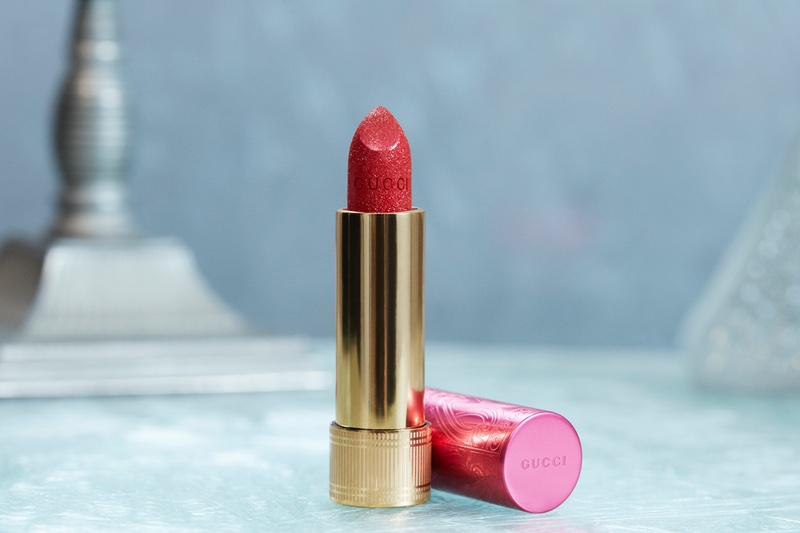
As L’Oréal prepares itself to acquire Gucci’s beauty licence from Coty on 1 July 2027 – one year earlier than originally planned – the question on everybody’s lips is: what will the giant do to establish Gucci as a beauty powerhouse going forward?
Despite Gucci having several hero fragrances loved by consumers – Flora, Bloom and Guilty – the luxury fashion house does not have a culturally powerful identity for its overall beauty offering, especially in cosmetics, which lacks a hero product.
As such, L’Oréal will need to leverage its might in luxury fragrance and make-up to establish one clear identity for Gucci, which feels bold, expressive and culturally provocative – all to build ongoing customer loyalty and excitement.
But this strategy must work synergistically – accelerating Gucci Beauty’s solid fragrance business while developing a complementary make-up line that can mature and become its own entity.
The visuals and consumer language also need to feel different to other licences in L’Oréal’s luxury portfolio – Prada, Valentino and Armani, to name a few – to make this partnership successful, as the same luxe playbook will not do for this reinvigoration scenario.
“Gucci Beauty has an identity crisis, although that does not mean the business is weak,” says Amy Kapolnek, founder of growth consulting firm The Fwrd Group.
Due to demand, the entry deadline for the Pure Beauty Awards has been extended until 24 July! Don't miss your chance to gain recognition from industry experts and consumers alike. Click here for more information.
“Its fragrance portfolio contains well-known and commercially successful collections, and these franchises have global awareness, strong visual recognition and substantial consumer demand.
“The issue is that the overall beauty brand does not always feel as clear or as culturally powerful as the Gucci fashion house.
“The individual fragrance collections have their own identities, but they do not necessarily add up to one consistent point of view for Gucci Beauty.”
The termination of Coty’s licence to produce Gucci’s fragrance and make-up ranges follows L’Oréal’s €4bn acquisition of Kering Beauté last year, which owns the luxury house.
This partnership includes the rights to enter into a 50-year exclusive licence for the creation, development, and distribution of fragrance and beauty products for Gucci.
And just this month, L’Oréal, Kering and Coty agreed that this licence will transfer earlier than expected, showing a hunger by the beauty conglomerate to get the ball rolling on this new era for Gucci Beauty.
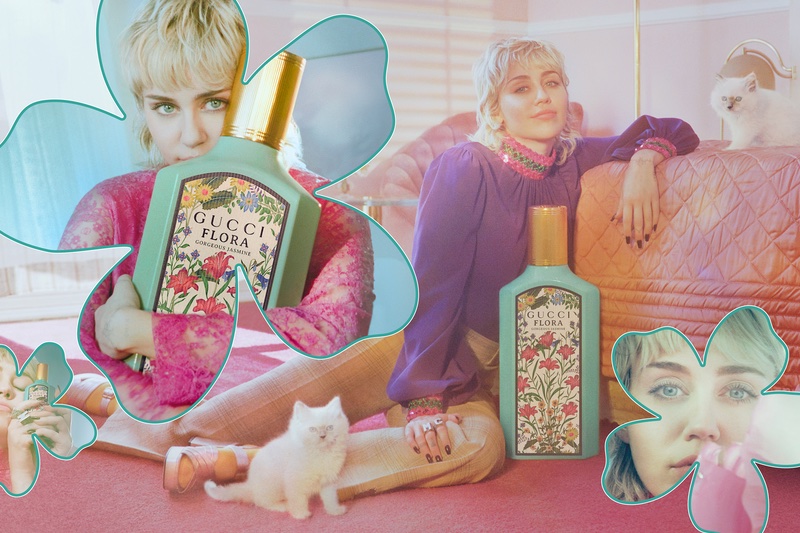
Gucci Flora is a successful fragrance franchise
Where does L’Oréal start with this Gucci licence takeover?
The main starting point for L’Oréal’s invigoration of Gucci Beauty once the licence transfers will be


