

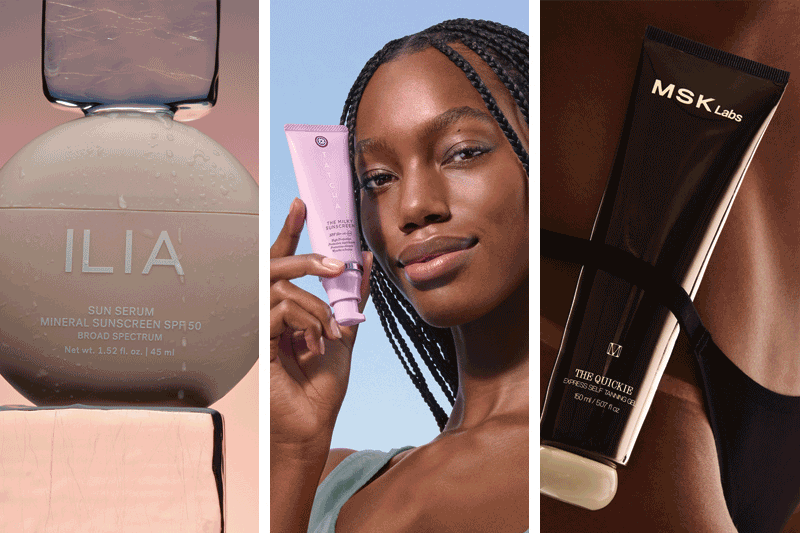
This article was originally published in the Sun Care Trend Report. Receive your copy here
SPF continues to rise and shine as one of beauty’s most sizzling categories in 2026. Consistently outpacing skin care, the $17.2bn global sun care category has been soaking up the effect of a significant change: the shift from seasonal SPF use, to daily use.
“This is no longer a seasonal category, sun care is increasingly embedded into daily routines, which is fundamentally changing its growth profile” explains Kayla Villena, Beauty and Personal Care Global Insight Manager of Euromonitor International.
“We are seeing clear evidence that sun protection use is growing globally. “Daily SPF is becoming a non-negotiable step in skin care routines, with increased regular use of both dedicated sun protection products and multifunctional formats like moisturisers with SPF.”
The sun care market is seeing double digit growth in countries like the UK, Spain and Italy, and high single digit growth elsewhere with performance in 2025 exceeding 2024.
In the UK, for example, sales jumped by 34% in the year to May 2026 according to Circana, while in the year to April 2025, growth was 14%.
In Europe, overall prestige sales respectively climbed from 5% to 17%.
In the US, skin tints are “fundamentally becoming the beauty consumer’s daily moisturiser,” explains Kevin Cureton, CEO of contract manufacturer Solésence that specialises in mineral SPFs.
“Instead of just using a moisturiser in the morning, consumers are now using this combination product that has both moisturisation benefits, whether it’s addressing longevity, redness or something else, while delivering a little bit of coverage and SPF.”
Sun care formulations have become increasingly light, transparent and non-greasy, while offering elegant textures, enabling consumers to use SPF without some of the compromises they had to make in the past, which is another reason for the increased uptake in sunscreen use, says Cureton.
Mineral, zinc-oxide based sunscreen has seen a significant step forward with some new-style formulations being lightweight and white cast-free.
Evelien Kahn founder of European beauty brand management and distribution agency MDV says: “We’re in the moment of brands developing and developing to get the final amazing product that consumers are looking for.
“Consumers know they have to have a daily SPF habit but they also want a very thin and sheer, lightweight texture and the challenge is that consistent use only occurs with a lightweight texture that you can use daily under your make-up and reapply with an invisible finish.
“So while we have been seeing daily SPF adoption, there still remains a really key opportunity to make it more of a daily skin care essential.”
Insert Hawaiian tropic pic with caption: Hawaiian Tropic’s summer aims to encourage SPF use among Gen Z
There are also a great deal of consumers left to convince.
Only one in six British people (16%) currently wear SPF daily, according to a 2026 survey by Face the Future highlighting how daily sun protection is still a minority habit.
The retailer has just launched its third annual 365 Days of SPF campaign which removes 20% VAT on sun protection products to make them more affordable. Kimberley Medd, Clinic Lead at Face the Future says that the survey also highlights that “younger adults are more likely to take risks, such as skipping SPF to tan or underestimating sun damage.”
Edelman research released last year found that 58% percent of 18-34s regretted a health decision made based on misinformation, with their biggest source of misinformation being user-generated content platforms (39%), independent content creators (29%) and friends and family (25%).
“Fundamentally, we’re working against that trend,” says Cureton. “But I do think with the commitment of the industry in helping to improve education and understanding, we will ultimately address it.”
Hawaiian Tropic’s new campaign, which features social media personality Alix Earle, aims to encourage young people into SPF use by taking a fun approach featuring a playful dance routine set to nostalgic ’90s anthem ‘I Touch Myself’ by Divinyls.
Ongoing industry efforts include the British Beauty Council’s UV Safety Initiative and the All-Party Parliamentary Group’s UV Safety Report.
There is also more work to be done to “move the category away from functional to fun,” says Matt Maxwell, Business Unit Director, Health and Beauty at Worldpanel by Numerator, in order to attract young people including students.
“There is space for a younger trendy brand that is also widely accessible in supermarkets in order to get cut through,” he says.
Trends will be revealed in detail throughout June exclusively to subscribers, so don't miss out and subscribe.
K-beauty brilliance
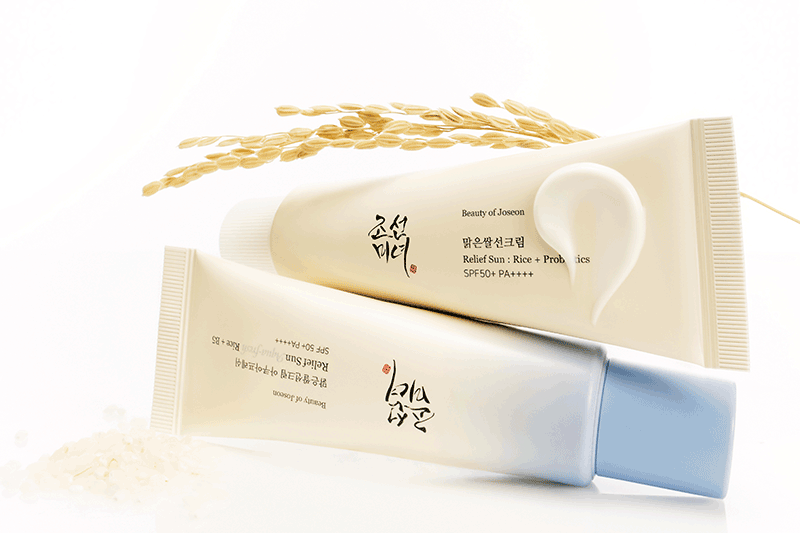
Beauty of Joseon is now one of the top 10 sun care brands in Europe
K-beauty brands offer many options likely to appeal and the category is driving growth in sun care.
According to Circana, Beauty of Joseon entered the top ten brands in sun care across Europe.
In the US, the brand has just launched Dayscreen Moisturiser SPF 30, a hybrid formula billed as its lightest sun care layer yet.
Even Nivea is tapping K-beauty trends with its new Silky UV Stick SPF50+, which the brand promotes as being manufactured in Korea using Korean technology.
The product UV is said to leave an invisible finish and is sweat-proof, fragrance free and easy to apply on the go.
“It’s lighter and easier to apply, which encourages everyday usage while it’s also tapping into K-beauty trends which the brand is proud to talk about,” says Maxwell
According to Spate, the latest K-beauty format making waves in the US are sunscreen cushions, which disperse liquid SPF through a sponge-soaked compact which makes reapplication easy and mess-free, with brands such as TirTir, Laneige and Missha offering them, doubling up as fully-fledged make-up products.
Led by multifunctional and hybrid formulations and user-friendly formats, experts agree that the category’s future will be shaped by the continued adoption of daily sun care use and the products that make it as convenient and enjoyable as possible.
For brands, Spate says, “The competitive advantage lies in how seamlessly SPF or tan integrates into real routines.”
Trend 1: Gen Z and the tanmaxxing crisis
Search #tanmaxxing on TikTok and you’ll find a sea of dark tans, but an even darker world that promotes unsafe practices in order to achieve a bronzed look. Filled with content creators, or ‘tanfluencers’, documenting the steps they took to transition from fair to tanned skin, some share their ‘UV-maxxing’ strategies of tracking the UV index to sit outside when it’s at its highest – without sunscreen.
Others explain how they used Melatonan I or II injections or nasal sprays (also known as MT-1 and MT-2), which are unregulated and not approved for human use, to gain their tan, often in combination with sun beds.
This trend explores why dermatologists are so concerned about tanmaxxing trends, and how the beauty and personal care industry is tackling the issue.
Trend 2: Mineral SPF serums
Sun protection has come a long way since the white and pasty lotions and potions that were once only pulled out of the cupboards during summer holidays.
For years, mineral sunscreens couldn’t achieve both high protection and an elegant texture, but now there is a new generation of serum-SPF formulas that promise lightweight wear and skin care-like finishes that are also suitable for sensitive or post-procedure skin.
This trend discovers the latest advances in mineral sunscreens, which brands that are rushing to launch mineral SPF serums, and what their advantages are.
Trend 3: Self-tan’s new glow up
Self-tan is being reinvented. No longer a separate and seasonal step, it is now sitting within consumers’ beauty and wellness routines.
And savvy brands are jumping on the opportunity to develop multi-benefit, skin care ingredient-focused tanners.
The ‘skinification’ of self-tan arrives at a time when the sunless tanning market is booming, particularly in the UK, and in the US too.
Spate says in its Sun Care Trends 2026: How the US Sun Care and Tanning Market is Evolving report that for brands, the opportunity is “to stop selling a base tan and start selling a skin care step that happens to bronze.”
Trend 4: Milky sunscreens
Milk has already spilled into a number of beauty formats, from milky textured toners, such as Rhode’s viral Glazing Milk, to fragrance notes found in the likes of Miu Miu’s Fleur de Lait Eau de Parfum and The Nue Co’s First Milk. Even nails are not immune, with the trend for milky-hued talons continuing to dominate.
Now, sun care is taking the cue, with growing demand from consumers for milky sunscreens, as they seek out formulas that are enjoyable to apply, as well as soothing and even improving skin.
According to Spate, searches for ‘milk sunscreen’ increased by 849.5% year-on-year.
Trend 5: Cooling SPF
Cooling SPF is emerging as a popular sub-category within sun care, commanding growing attention from consumers, and the entry of some of the category’s biggest brands, including Garnier and Nivea.
Searches for ‘cooling sunscreen’ surged by 30% in the UK in May 2026, according to Google Trends.
And Pureseoul’s co-founder, Gracie Tullio, has reported “over 60%” increase in searches for “cooling K-beauty SPF” following the launch of Cell Fusion C’s Aquatica sunscreen collection in 2025.
This article will explore explores the emergence of cooling sunscreens, their claims, and whether they can effectively lower body temperature.


