

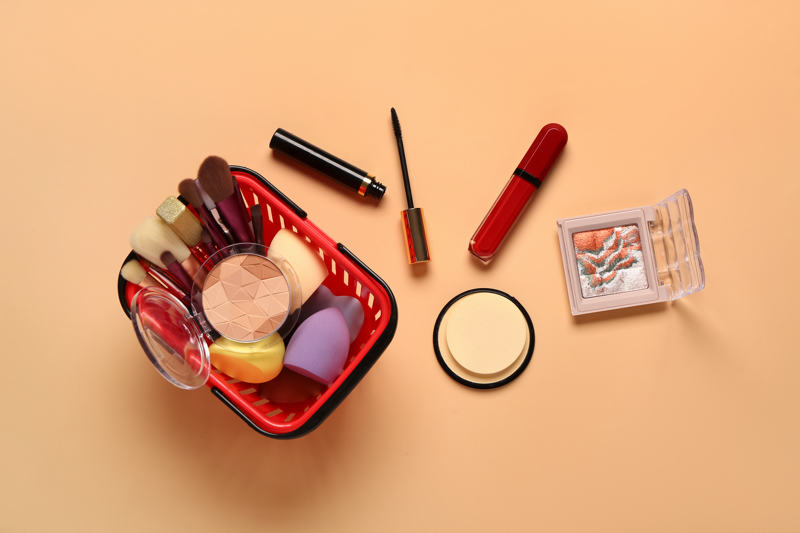
Beauty scammers have left shoppers £50,000 out of pocket this year, according to new research from Santander.
The UK bank said criminals are selling counterfeit products such as perfumes and make-up, costing each person £277, on average, in 2025.
Fraudsters are also selling fake lip and collagen fillers, as well as other cosmetics treatments.
Consumers are being urged by the bank and the The Cosmetic Toiletry & Perfumery Association (CTPA) to be vigilant this Christmas when buying gifts.
Scammers are using social media and private messaging apps to target victims with enticing offers, and influencer-style content promising cheap deals and aesthetic procedures.
“The beauty and aesthetics industry has blown up in recent months and fraudsters are taking full advantage,” said Michelle Pilsworth, Head of UK Fraud at Santander.
“Slick social media profiles and fake reviews might appear trustworthy – but if an offer looks too good to be true, it probably is.”
The scam typically begins with a fake advert on social media promoting heavily discounted treatments or cosmetics, said Pilsworth.
She added: “Once a user expresses interest, the seller will often move the conversation to a messaging app to arrange payment by bank transfer or payment link.
“Then the product never arrives or turns out to be fake – and victims are left with nothing but regret.”
Women made up 68% of those hit by this type of scam, compared with 32% of men, Santander’s research found.
“Counterfeit cosmetics and personal care products may look like the brands we love, but the packaging is where the similarity ends,” said Dr. Emma Meredith OBE, Director-General of the CTPA.
“You could be buying a product that will not work in the way you want, or worse, could pose a serious risk to your health.
“Alongside fake goods, online scams selling non-existent products are also on the rise.
“The cosmetics industry takes consumer safety very seriously.
“Fake, illegal and fraudulent products not only jeopardise consumer wellbeing but also threaten the trust that millions of consumers have in the many legal and safe cosmetic products available and used every day.
Meredith advised that shoppers should always buy products and services from reputable outlets, and be suspicious of unusual offers or those pushed via social media.


