
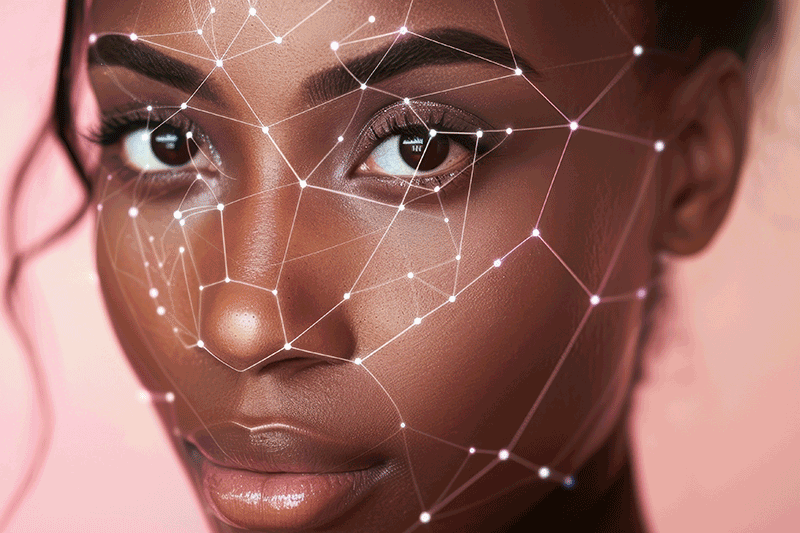
The answer lies in AI. Specifically, AI-powered face analysis, skincare quizzes, and product finders are transforming how beauty brands engage with customers—offering tailored product recommendations based on individual needs, goals, and preferences.
Recent research confirms the impact: AI-driven personalisation can improve conversion rates by up to 50%, increase engagement, and strengthen customer loyalty by anticipating needs and delivering relevant content at just the right moment (Shaikh, 2025). But the true differentiator isn’t the technology itself—it’s how it's implemented.
Personalised Discovery = Higher Conversion
AI Face Analysis tools analyze facial images to assess skin type, tone, hydration levels, and more—helping customers find products that genuinely suit them. Skincare finders and quizzes collect input such as age, concerns, and ingredient preferences to generate curated product matches.
Take Skinwise, an Australian skincare brand that integrated Inference Beauty’s AI-powered skincare finder. By leveraging user data, they increased basket size by 17% and conversion rates by up to 50%. Similarly, Maquibeauty, a Spanish e-commerce platform, introduced a personalised quiz to guide shoppers—reducing returns and improving satisfaction.
This is where AI excels: reducing guesswork. Shoppers no longer scroll endlessly through thousands of SKUs; instead, they’re matched with the right options instantly. According to Inference Beauty, 80% of consumers are more likely to shop with brands offering personalised experiences—and 74% will share personal data in return.
Beyond the Sale: Building Long-Term Loyalty
While AI drives short-term sales, its true power lies in retention. When integrated with CRM or email marketing tools, AI-generated insights can be used to send timely, relevant follow-ups—product refills, skincare tips, or personalized offers.
Unfortunately, most brands still fail to fully integrate their AI tools into broader marketing systems, missing a critical opportunity to nurture relationships. Hyper-personalised communication—based on purchase history, preferences, or values like “cruelty-free” or “fragrance-free”—can dramatically increase lifetime value.
As Hasan Beyari’s 2025 study concludes, e-commerce platforms adopting AI retain customers more effectively than those that don’t. Loyalty is no longer built on discounts alone—it’s driven by recognition, relevance, and trust.
Intelligent Marketing at Scale
With the right AI infrastructure, brands can move beyond static campaigns. First-time shoppers might receive educational guides; returning customers might get early access to new products that fit their profile. Bloomreach data shows that personalized emails can generate up to 6x higher transaction rates than non-personalised ones.
In today’s digital beauty landscape, personalization isn’t just a feature—it’s an expectation. And for brands, it’s the fastest path to deeper relationships, stronger conversions, and more sustainable growth.