
The cosmetics industry has a significant and often underestimated climate footprint.
The sector emits an estimated 50 million tonnes of CO2 annually – comparable to the emissions of Belgium alone – largely driven by its reliance on fossil carbon-based ingredients, which are used in around 87% of formulations.
When climate change is discussed, attention typically focuses on energy, transport and heavy industry.
Tickets are now available for the 25th anniversary of the Pure Beauty Awards, taking place on 15 October 2026 at the Grosvenor House Hotel in London, UK. Join the beauty industry for an evening of recognition and celebration as this year’s winners are revealed. Click here to secure your place.
Beauty products rarely enter the conversation.
Yet every moisturiser, shampoo, lipstick and serum forms part of a vast global manufacturing system that relies heavily on fossil-derived feedstocks, resource-intensive supply chains and single-use packaging.
As consumer expectations evolve and sustainability becomes a commercial imperative rather than a marketing differentiator, the beauty industry faces a critical question: how can it continue to deliver performance, innovation and growth while dramatically reducing its environmental impact?
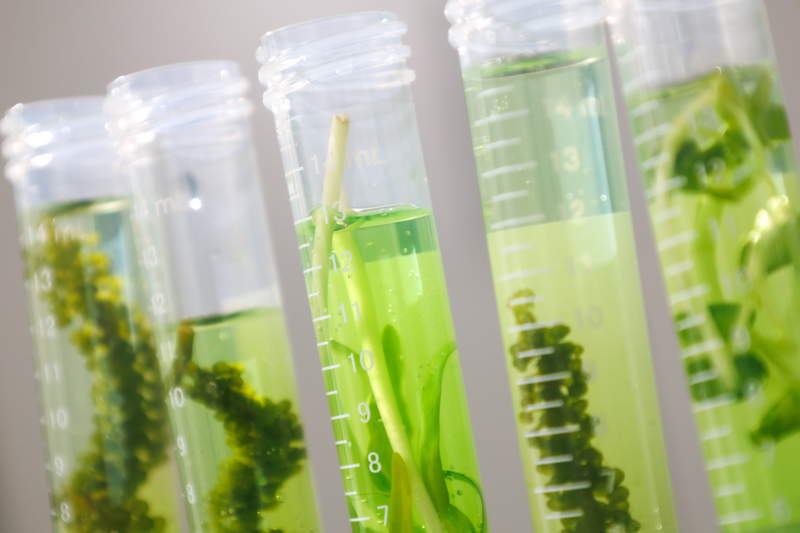
Increasingly, the answer lies in biology.


