
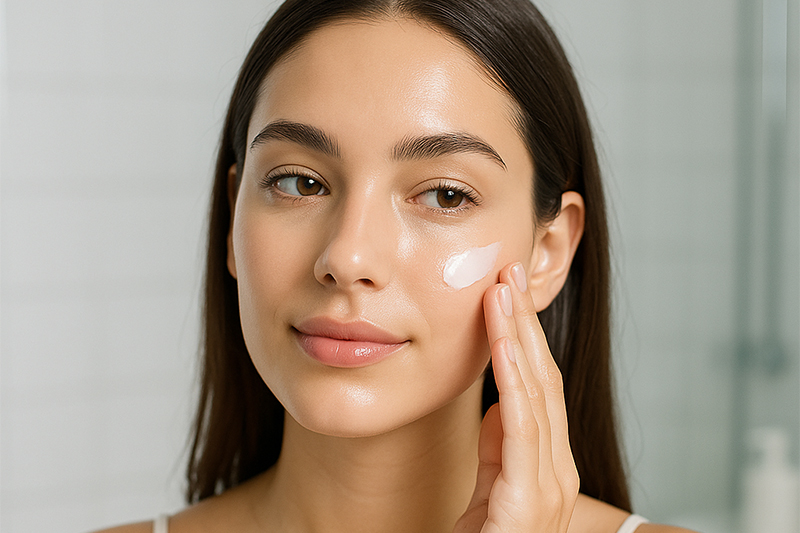
This expansion reflects a broader shift within the beauty industry toward dermatology inspired actives that offer more than just short term cosmetic effects. As consumers become increasingly educated about skin biology and ingredient functionality, there is growing interest in ingredients with a documented clinical background that can support continuing skin health. Azelaic acid, such as high purity Azepur99® cosmetic grade, fits straight into this trend, as it combines medical heritage with compatibility for cosmetic grade formulations and skincare concepts for daily use.
Azelaic acid aligns strongly with the growing demand for multifunctional actives, especially among consumers who want reliable, daily use solutions for redness prone skin, skin prone to acne, and uneven skin tone without aggressive irritation.
From a brand and formulation perspective, this multifunctionality is particularly attractive. Rather than addressing isolated concerns, azelaic acid targets several interconnected skin pathways that commonly coexist in adult consumers, especially inflammation, abnormal keratinisation, and pigment dysregulation. This allows brands to design streamlined product concepts that resonate with the growing “skinimalism” trend, while still being able to deliver performance driven claims.
For breakouts, azelaic acid helps by acting antimicrobially and by normalising follicular keratinisation, which together lowers the likelihood of clogged pores and inflammatory lesions.
This dual mode of action differentiates azelaic acid from purely exfoliation based breakout approaches. By influencing both microbial balance and keratinocyte behaviour, it supports gradual improvement without relying solely on barrier disrupting mechanisms, making it particularly relevant for adult or sensitive skin profiles.
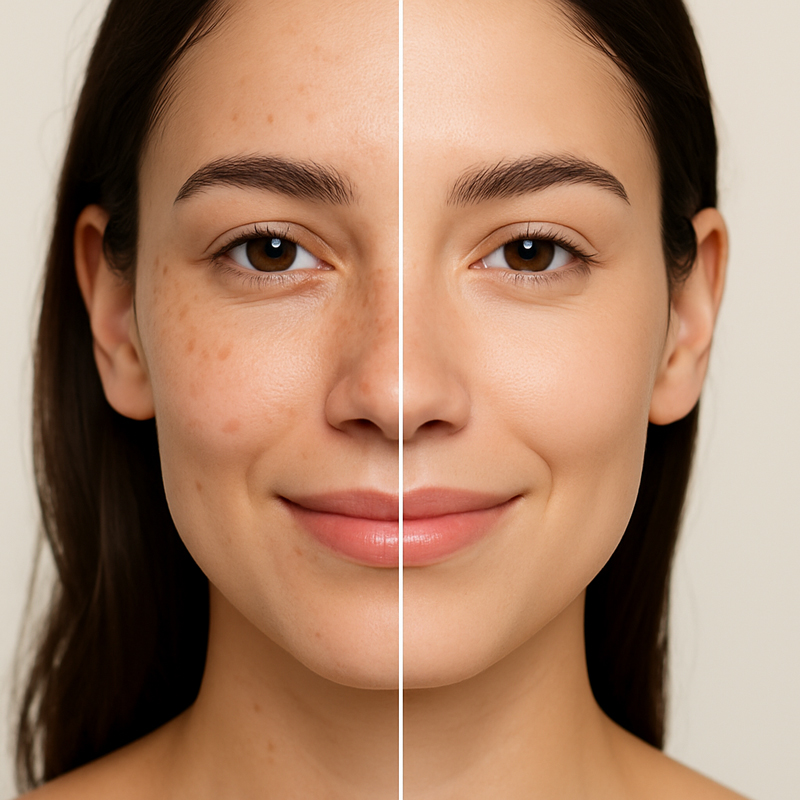
For hyperpigmentation, azelaic acid shows tyrosinase inhibition, supporting its use for post-inflammatory hyperpigmentation contexts. For redness reduction, especially in skin prone to rosacea, azelaic acid’s anti-inflammatory and antioxidant activity is thought to be central, helping reduce inflammatory signalling and oxidative stress, that contribute to persistently reactive skin.
Another important factor driving the demand for cosmetic grade azelaic acid, is increased visibility and accessibility. Widely recognised skincare brands have introduced cosmetic products containing azelaic acid into their catalogues, contributing to consumer familiarity and driving adoption in broader beauty categories.

As availability has increased, so has confidence among both consumers and formulators. Advances in raw material quality and formulation strategies have helped integrate azelaic acid into more cosmetically elegant formats, supporting its transition from pharmacy-led products into prestige skincare lines without losing its dermatological credibility.
As a result, azelaic acid is no longer viewed purely as a niche pharmacy ingredient and it is now recognised as a highly relevant cosmetic active. It suits modern product formulation strategies, from brightening and skin prone to redness care to blemish prevention, particularly within the growing market for high performance premium skincare and dermacosmetics.
Read more about Azepur99 azelaic acid here: https://azeco-cosmeceuticals.com/about-azepur99/
Sources:
- ,3,5 Sauer N, Oślizło M, Brzostek M, Wolska J, Lubaszka K, Karłowicz-Bodalska K. The multiple uses of azelaic acid in dermatology: mechanism of action, preparations, and potential therapeutic applications. Postepy Dermatol Alergol. 2023 Dec;40(6):716-724. doi: 10.5114/ada.2023.133955. Epub 2024 Jan 8. PMID: 38282869; PMCID: PMC10809820.
- 2 Mayer-da Silva A, Gollnick H, Imcke E, Orfanos CE. Azelaic acid vs. placebo: effects on normal human keratinocytes and melanocytes. Electron microscopic evaluation after long-term application in vivo. Acta Derm Venereol. 1987;67(2):116-22. doi: 10.2340/0001555567116122. PMID: 2438874.
- 4 Schulte BC, Wu W, Rosen T. Azelaic acid: Evidence-based update on mechanism of action and clinical application. J Drugs Dermatol. 2015;14(9):964-968. PMID: 26355614.