
The average consumer may be unaware that the aroma of their cosmetic and perfumery products is due to volatile organic compounds (VOCs). Indeed, there may be some in the industry who also do not think in these terms, but it is the case that for any chemical compound to have a scent, it must be capable of moving through the air and finding its way to the sensory organs in the nose. Anything that isn’t volatile simply won’t be smelled.
Understanding consumer perceptions of fragrance
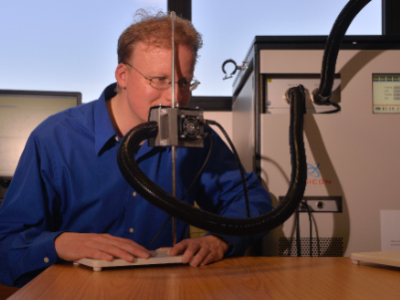
Proton transfer reaction mass spectrometry for nose-space analysis of VOCs
You need to be a subscriber to read this article.
Click here to find out more.
Click here to find out more.
You may also like
You need to be a subscriber to read this article.
Click here to find out more.
Click here to find out more.

Armani Beauty ambassador Jonathan Bailey fronts new ‘The Power of Will’ interview series
Read moreBritish actor Jonathan Bailey, who is ambassador for Armani Beauty’s I Will men’s fragrance, stars in a new video series for the scent, alongside fellow ambassadors, musician J Balvin, Formula 1 driver Carlos Sainz and entrepreneur Simon Squibb
Trending Articles
-
You need to be a subscriber to read this article.
Click here to find out more. -
You need to be a subscriber to read this article.
Click here to find out more.
You may also like
You need to be a subscriber to read this article.
Click here to find out more.
Click here to find out more.
Fragrance
![Armani Beauty ambassador Jonathan Bailey fronts new ‘The Power of Will’ interview series]()
Armani Beauty ambassador Jonathan Bailey fronts new ‘The Power of Will’ interview series
British actor Jonathan Bailey, who is ambassador for Armani Beauty’s I Will men’s fragrance, stars in a new video series for the scent, alongside fellow ambassadors, musician J Balvin, Formula 1 driver Carlos Sainz and entrepreneur Simon Squibb

Ingredients
![Dove launches first fragrance inspired by its Original Beauty Bar due to demand]()

Dove launches first fragrance inspired by its Original Beauty Bar due to demand
The Unilever-owned beauty brand has broken into the perfume category with a limited edition fine fragrance that smells like its 69-year-old hero sku, Original Beauty Bar, stating its community has ‘been asking for years’ for it to bottle the scent


You need to be a subscriber to read this article.
Click here to find out more.
Click here to find out more.
Fragrance
![Mona Kattan’s Kayali expands gourmand fragrance line Yum with Vanilla Cupcake I 108]()

Mona Kattan’s Kayali expands gourmand fragrance line Yum with Vanilla Cupcake I 108
The scent-layering brand is bolstering its hero House of Yum gourmand fragrance collection with birthday cake-inspired Vanilla Cupcake | 108. Kayali CEO Mona Kattan explains why this was a ‘natural next chapter’ for the business
Regulatory
![UK Government cracks down on ‘cosmetic cowboys’ with new rules]()

UK Government cracks down on ‘cosmetic cowboys’ with new rules
A ban on high-risk cosmetics procedures for teens and hefty fines for those who flout the law have been proposed by the UK Government, while only qualified and regulated health care professionals will be able to perform certain cosmetic procedures, such as Liquid Brazilian Butt Lifts (BBLs)