
The landscape of weight loss has been jolted by the meteoric rise of GLP-1s.
With one in four people globally projected to live with obesity by 20351, GLP-1 drugs like semaglutide (Ozempic and Wegovy) and tirzepatide (Mounjaro and Zepbound) have emerged as essential tools in public health.
Originally developed to treat type 2 diabetes, they have become the go-to prescription for weight management thanks to their rapid effects, and nearly one in five American adults (18%)2 have taken them at some point, with a further 35% expressing interest3.
And a new poll by YouGov, commissioned by the National Pharmacy Association, projects that more than twice the number of UK adults will use weight loss injections in 2026, compared with the 1.5 million who used them monthly in 2025.
If your work involves novel actives, formulation science or technical problem-solving in beauty, the Cosmetics Business Innovation Awards offer a platform designed to highlight and clearly articulate the science behind breakthrough thinking. Entries open now!
However, these weight-loss medications are not only changing waistlines, they are altering lifestyles, spending habits, consumption patterns – and facial appearance.
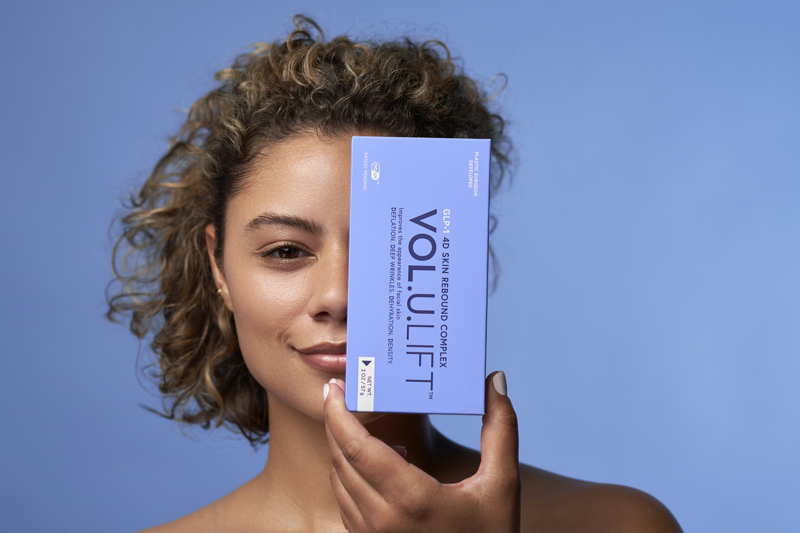
With rapid fat loss comes a visible side effect that has gripped the beauty industry: ‘Ozempic face’.
While a slimmer face is often welcomed, the other facial outcomes – a hollowed look, sagging dull skin, and more prominent wrinkles – are not.
As the use of these medications surges – sales of GLP-1 drugs are expected to at least double by 20304 – a new category of skin care is emerging to address the specific physiological changes that occur during such drastic metabolic shifts.
Featured companies

- Companies:
- Algaktiv


