
On 1 January 2027, California's list of banned cosmetic ingredients will grow by 30 entries.
An estimated 26 come from Assembly Bill (AB) 496, signed in 2023 – a California, US, cosmetic safety bill that bans additional intentionally added chemicals in cosmetic products sold or manufactured in California.
The remaining four nitro musks come from AB 60, the Musk Reduction Act.
One AB 496 entry alone covers 16 boron compounds, so the new entries name 45 substances.
The first list, 11 ingredients plus 13 PFAS compounds, has been in effect since 1 January 2025.
The new entries reach into everyday formulas: lily aldehyde, the fragrance ingredient Europe knows as butylphenyl methylpropional or lilial, cyclotetrasiloxane, known as D4, styrene, vinyl acetate, acetaldehyde, boric acid and borates, and a set of dyes most founders have never had to think about.
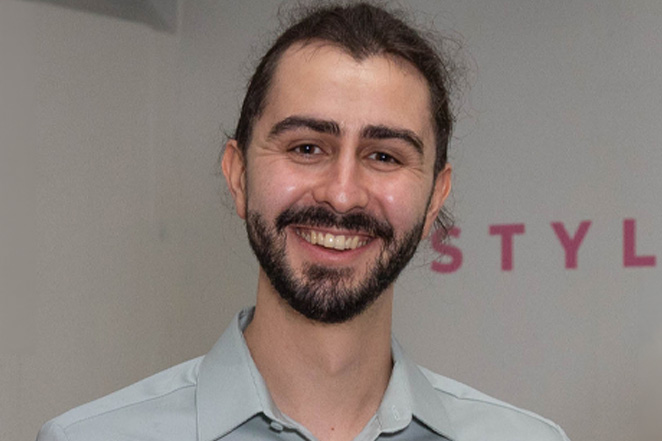
I run a contract manufacturing company called Vaulabs in Clearwater, Florida. We make skin, hair and body care for founders in runs that start at 5,000 units per sku.
When a new ban lands, founders call us with the same question: can we still make my product?
The ban itself is rarely the hard part. The hard part is everything around it, and it is decided long before the first batch is mixed.
This is what we check before we schedule a run, and what I would check if the brand were mine.


