
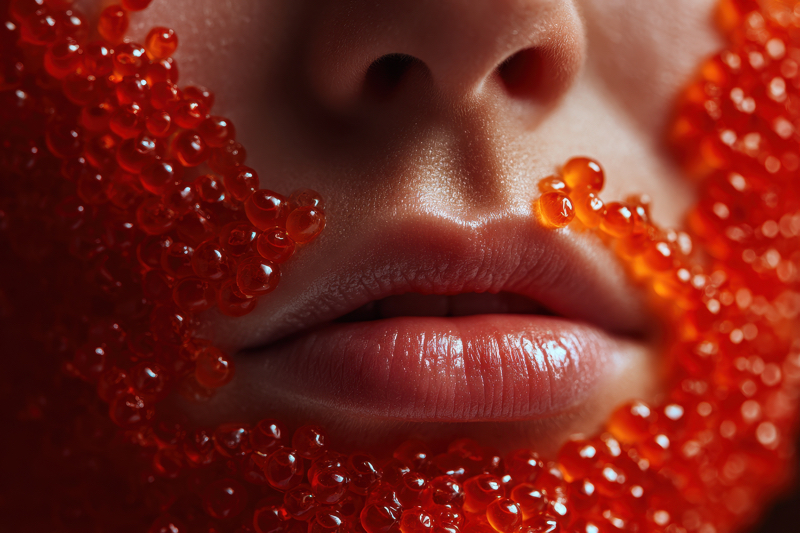
Caviar extract has occupied a privileged position in premium skin care for decades.
It carries a powerful combination of luxury, marine biology and perceived cellular benefit.
Yet, for all the marketing built around it, one basic scientific question has often remained insufficiently examined: what does commercial ‘caviar extract’ actually contain?
Due to demand, the entry deadline for the Pure Beauty Awards has been extended until 24 July! Don't miss your chance to gain recognition from industry experts and consumers alike. Click here for more information.
For many years, the industry has treated caviar extract as a relatively simple ingredient story: an extract obtained from sturgeon roe.
That description is understandable at a commercial level, because caviar is the processed roe of sturgeon.
The European Commission’s CosIng entry for Caviar Extract, for example, describes it as an extract of the eggs of sturgeon.
However, modern proteomics now suggests that the molecular reality is more complex.


